
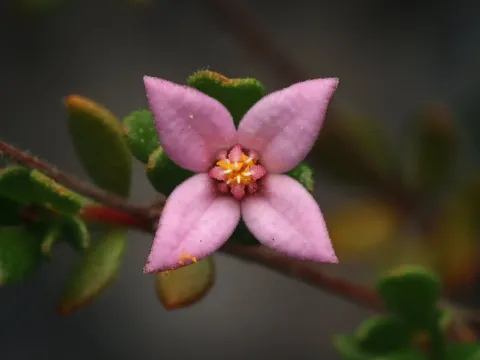
Boronia
Boronia
Boronia (Boronia) is a genus of perennial evergreen shrubs belonging to the Rutaceae family. Known for their aromatic foliage and beautiful, cup-shaped flowers, these plants are popular in ornamental horticulture for their distinct fragrance and long blooming period.
What the section contains


Boronia
The genus originates from Australia, where it occupies a wide range of habitats. Plants are naturally adapted to environments that provide excellent drainage, often found on sandy or rocky soils in temperate and subtropical zones of the continent.
Successful cultivation requires specific conditions that mimic their natural habitat. Boronias prefer a sunny or semi-shaded location with protection from harsh afternoon heat. The soil must be acidic, sandy, and porous to ensure oxygen reaches the root system effectively.
In terms of agricultural management, moisture control is the most critical factor. The soil should remain consistently moist but never waterlogged. Fertilizers used for Boronia must be low in phosphorus, as the plant is highly sensitive to high-phosphorus nutrients, which can be fatal.
Beyond gardening, Boronia species are cultivated for their essential oils, which are highly valued in the perfume industry. Their unique scent profile makes them a specialized commodity in certain botanical and industrial sectors.
The most significant threat to Boronia is Phytophthora root rot. This fungal pathogen thrives in wet, heavy soils and poor drainage conditions, making it the primary cause of mortality in both garden and greenhouse settings.
Pest issues often include spider mites and mealybugs, which are particularly troublesome when the plant is stressed by low humidity or poor ventilation. These pests target succulent new growth and tender flower buds.
To mitigate risks, growers should practice strict sanitation and ensure good airflow around the plants. Regular monitoring of the foliage helps detect early infestations, which can be managed with insecticidal soaps or specific horticultural oils.
Cultural prevention remains the best defense against threats. Maintaining proper irrigation schedules and avoiding over-fertilization help keep the plants vigorous and more resistant to opportunistic pests and diseases.
Finally, environmental stressors like extreme heat or lack of light can weaken Boronia, making it more susceptible to opportunistic fungal attacks. Providing a stable, well-ventilated environment is key to plant health.