
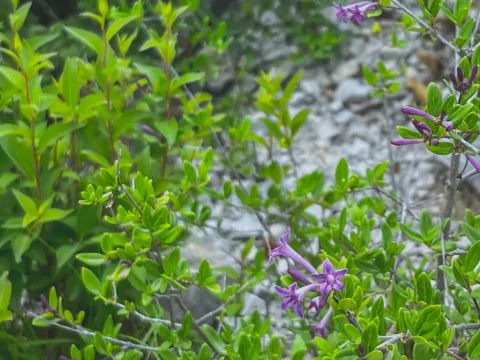
Leptodermis
Leptodermis
Propagation of Leptodermis is primarily achieved through seeds or stem cuttings. Sowing seeds in early spring into well-draining, loose soil provides the best start for germination and root development.
What the section contains


Leptodermis
Stratification of seeds is highly recommended to improve germination rates significantly. Seeds should be planted at a shallow depth of about 0.5 cm, as they require adequate light to initiate the growing process effectively.
Cutting propagation is considered the most reliable method for maintaining specific cultivar traits. Semi-hardwood cuttings taken in early summer and placed in a sand-peat mixture under cover ensure high success rates.
Young seedlings require consistent moisture until they are fully established in the soil. It is best to transplant them to their permanent garden location during the mild temperatures of autumn or spring.
The plant grows at a moderate pace, making it essential to space individual shrubs at least 50–70 cm apart. This spacing ensures sufficient airflow, which is critical for the long-term health of the plant.
Leptodermis belongs to the Rubiaceae family and originates from the mountainous regions of East Asia. It is a heat-loving subshrub that thrives best in sites sheltered from harsh, cold winds.
The plant prefers sunny locations, though it can tolerate light shade during the hottest parts of the day. Excessive shade often results in leggy growth and a reduction in the shrub's natural, compact form.
Soil conditions are vital for success, requiring excellent drainage at all times. Waterlogging is detrimental to the root system, so planting in heavy clay soils necessitates the addition of grit or sand.
The ideal soil pH is neutral to slightly acidic. Incorporating compost or well-rotted organic matter during the planting phase promotes healthy flower production and strong structural development.
Regular maintenance includes weeding and occasional cultivation of the topsoil. Leptodermis exhibits good drought tolerance but benefits from moderate watering during prolonged dry spells to maintain vigour.
The primary threats to Leptodermis are fungal diseases that thrive in environments with poor air circulation and excessive moisture. Powdery mildew is a common issue if the foliage remains damp.
Pests, such as spider mites, may become problematic during periods of intense heat and low humidity. Early detection through regular leaf inspection is the best defense against major infestations.
Soil-dwelling larvae can sometimes damage the roots of younger plants. Preventive measures, such as applying appropriate soil insecticides before planting, can reduce the risk of early developmental failure.
Sanitation is key to disease prevention; always remove dead or dying branches promptly. Disinfecting pruning tools between cuts is an essential practice to stop the spread of potential pathogens.
In the event of a severe pest or disease outbreak, targeted fungicides or miticides should be applied. Always strictly follow label instructions regarding dosage and frequency to protect the plant.