
Luculia
Luculia
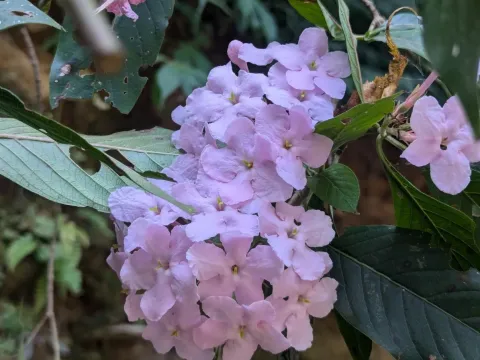
Luculia is a genus of evergreen shrubs and small trees belonging to the Rubiaceae family. Native to the mountainous regions of the Himalayas and parts of Southeast Asia, these plants are renowned for their highly fragrant, cluster-forming flowers that typically bloom in late autumn or winter.
What the section contains

Luculia
Botanically, Luculia is characterized by large, opposite, prominently veined leaves and terminal cymes of showy pink, white, or red blossoms. It is considered a specialty crop in ornamental horticulture, valued for its aesthetic appeal and aromatic properties in controlled environments.
Cultivation requirements involve a cool, humid climate with moderate temperatures. In agricultural practice, Luculia thrives in greenhouses where temperature fluctuations are minimized and air circulation is optimized to replicate its native high-altitude habitat conditions.
Soil management is critical; the plants require a well-draining, slightly acidic medium rich in organic matter. Proper root aeration is mandatory, as the root systems are susceptible to damage if water-logging occurs, which can lead to rapid physiological decline.
The economic value of Luculia is focused on the premium ornamental market. It is often cultivated by specialty nurseries as a seasonal potted plant, catering to high-end interior landscaping and conservatory demand due to its ability to bloom when most other plants are dormant.
The primary threats to Luculia health in cultivation include fungal pathogens such as root rot and leaf spot diseases. These are typically triggered by poor drainage, excessive soil moisture, and stagnant air within the growing facility during cooler months.
Insect pests, specifically spider mites and scale insects, are significant challenges for growers. These pests thrive in the dry air of greenhouses, attacking the foliage and stems, which can severely compromise the plant's structural integrity and aesthetic marketability.
Preventive measures include implementing rigorous sanitation protocols and maintaining optimal environmental parameters. Regular monitoring for early signs of infestation is essential to minimize reliance on intensive chemical interventions and maintain plant health.
Integrated pest management (IPM) strategies, including biological controls or targeted application of miticides and systemic insecticides, are recommended when infestations exceed established economic thresholds. Always ensure that the chosen treatment is compatible with the plant's sensitivity to chemical residues.
Proper pruning practices are also vital for disease control. Removing dead or diseased tissue prevents the accumulation of inoculum and promotes healthy new growth, ensuring that the plant maintains its vigor throughout the entire production cycle.