
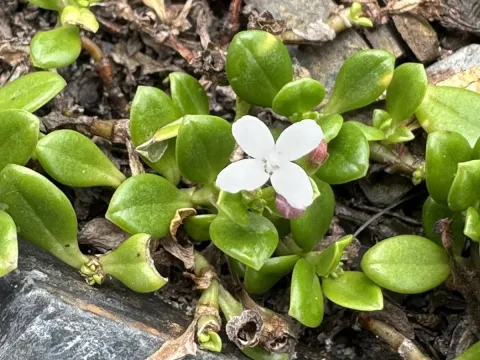
Leptopetalum
Leptopetalum
Leptopetalum is an interesting member of the Rubiaceae family. The sowing process begins with selecting high-quality seeds that require a well-prepared, nutrient-rich substrate for optimal germination results.
What the section contains


Leptopetalum
In temperate zones, it is recommended to start seedlings indoors during late winter. This ensures that the plant is sufficiently developed before the final transplanting into the open soil.
The seeds should be sown shallowly, as they require light to germinate effectively. Maintaining a consistent temperature between 20°C and 22°C is critical during the initial growth phase.
Proper spacing is essential to ensure that each seedling receives enough light and air circulation. Crowded seedlings are more susceptible to damping-off disease and stunted development.
Transplanting outdoors should only occur after the risk of frost has completely passed. Acclimatizing the plants through a hardening-off process is a standard procedure for robust crop establishment.
Leptopetalum thrives in locations that offer bright, indirect sunlight. While the plant appreciates warmth, direct midday sun during midsummer can scorch the foliage if moisture levels are insufficient.
The soil must be well-drained and slightly acidic to neutral. Heavy clay soils should be amended with organic matter or sand to improve structure and prevent waterlogging around the roots.
Consistent watering is necessary, but the soil should be allowed to dry slightly between irrigation sessions. This practice helps maintain a healthy root system and prevents anaerobic conditions.
Regular fertilization with a balanced liquid fertilizer during the active growing season supports the development of the plant. A ratio balanced in nitrogen, phosphorus, and potassium is typically sufficient.
Environmental stability is important for the plant. Protecting it from strong winds is advisable to maintain the integrity of the stems and ensure an attractive appearance.
Spider mites and aphids are the most common pests that affect Leptopetalum. These insects tend to congregate on the undersides of leaves, draining sap and weakening the plant's structural integrity.
Fungal issues, such as powdery mildew, often arise in environments with high humidity and poor ventilation. Keeping the area around the base of the plant clear of debris is a good preventative measure.
Effective pest management involves early detection and the use of appropriate control agents. Biological controls are preferred in many cultivation systems to minimize chemical residues.
Root rot is a severe threat often associated with overwatering. Ensuring the drainage system works correctly is the most effective way to avoid this catastrophic issue for the crop.
Monitoring for signs of stress, such as yellowing leaves or wilting, allows growers to adjust their management practices immediately, preventing potential loss of the crop.