
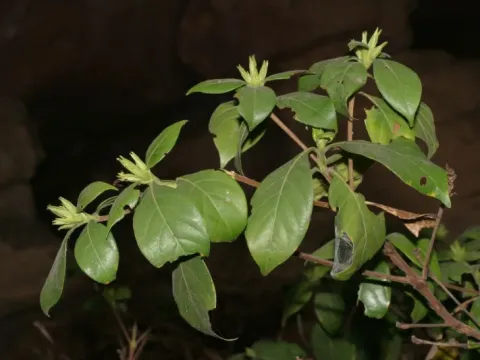
Leptactina
Leptactina
Leptactina belongs to the Rubiaceae family, which is one of the largest and most diverse families of flowering plants. This genus consists of evergreen shrubs primarily native to the tropical regions of Africa.
What the section contains


Leptactina
The plant thrives in fertile, well-draining soil rich in organic matter. A slightly acidic to neutral substrate is ideal for ensuring the proper uptake of essential micro and macronutrients for healthy foliage development.
Environmental conditions must mimic tropical forest understories. This means the plant requires high levels of humidity and protection from harsh direct sunlight, which can easily scorch the broad, lush leaves.
Temperature requirements are stringent; the plant prefers a stable range between 20 and 28 degrees Celsius. It does not tolerate cold drafts or temperatures below 15 degrees Celsius, making it suitable for greenhouses or tropical climates.
Consistent moisture is key for Leptactina, but waterlogging must be avoided at all costs. Providing a high-quality drainage layer in the pot or planting site is essential to prevent root asphyxiation and subsequent decay.
Leptactina is susceptible to common greenhouse pests, with mealybugs being the most frequent concern. These sap-sucking insects thrive in the warm, humid conditions that the plant itself prefers.
Spider mites are a significant threat, especially when the indoor air becomes too dry. Infestations lead to stippling and webbing on the leaves, which can drastically reduce the plant's decorative value and vitality.
Root rot is the most common disease encountered during cultivation. It is almost exclusively caused by overwatering or using a heavy, poorly draining substrate that holds too much stagnant water.
Fungal leaf spots can develop if air circulation is inadequate. Ensuring that the foliage stays relatively dry and that the plant is not overcrowded helps mitigate the risk of pathogen transmission between leaves.
Integrated pest management, including periodic inspections and the use of insecticidal soaps or neem oil, is recommended to keep the plant healthy and prevent the establishment of persistent pest colonies.