
Luculia
Luculia Sweet
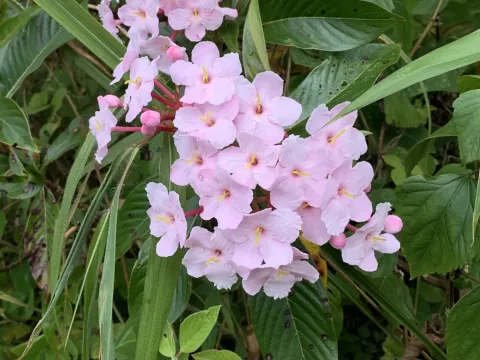
Luculia is a genus of evergreen shrubs and small trees belonging to the Rubiaceae family. Native to the Himalayan region and parts of Southeast Asia, these plants are renowned for their clusters of highly fragrant, trumpet-shaped flowers.
What the section contains


Luculia
In terms of botany, the species are characterized by glossy, veined leaves and a complex flower structure. Cultivating them requires a deep understanding of their natural habitat, which is typically found in high-altitude subtropical forests.
Successful cultivation relies on a well-draining, acidic growing medium rich in organic matter. A mixture of peat, perlite, and pine bark is often recommended to maintain the necessary soil structure and oxygen levels for the roots.
The plants thrive in bright, indirect light conditions. Direct sun, especially in hot afternoons, can quickly scorch the delicate foliage and dry out the root zone, making careful placement essential for both indoor and greenhouse settings.
Consistent moisture levels are critical. Luculia plants do not tolerate prolonged periods of drought, nor do they survive in waterlogged soil. Maintaining a humidity level of 60-70% is ideal for promoting vigorous growth and healthy blooms during the flowering season.
Common pests affecting Luculia include spider mites, which thrive in dry environments, and mealybugs, which tend to congregate in the axils of the leaves and on new growth.
Root rot, triggered by overwatering or poor drainage, is the most common physiological disorder. This condition can lead to yellowing leaves, stem softening, and ultimately the collapse of the entire shrub.
Integrated pest management, including the use of horticultural oils and systemic insecticides, is recommended when infestations occur to ensure minimal stress to the plant.
Proper air circulation is a vital defense against both fungal infections and infestations, as stagnant air promotes the development of mildew and attracts insect pests.
Regular sanitation of the growing area, such as removing fallen leaves and pruning dead wood, helps in maintaining a healthy environment for the plant to recover and grow.