
Leptodermis oblonga
Leptodermis oblonga
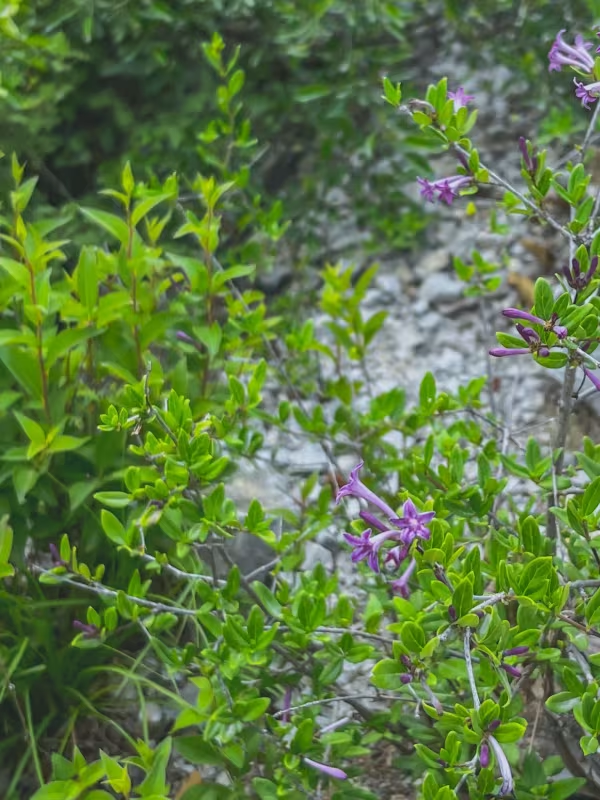
Description
Growing requirements
Leptodermis oblonga is a deciduous shrub belonging to the Rubiaceae family, known for its elegant foliage and tubular flowers. Native to East Asia, it has adapted to diverse mountain environments, which dictates its specific requirements for cultivation in modern gardens.
The plant thrives in well-drained, fertile soil with a slightly acidic to neutral pH level. It is essential to ensure that the soil structure provides adequate aeration to prevent root rot, as the species is highly sensitive to waterlogged conditions throughout the year.
Regarding climate, Leptodermis oblonga prefers sunny spots where it can receive enough light for optimal blooming. While it is hardy in many temperate regions, it benefits from protection in areas with harsh winters, particularly by mulching the root zone to prevent deep freezing.
Agrotechnical practices involve consistent moisture management during the growing season. While the plant can tolerate short dry spells once established, regular irrigation is critical during the budding stage to ensure the development of vibrant and numerous blossoms.
In terms of usage, the plant is primarily cultivated for ornamental purposes in rock gardens, shrub borders, and landscape design. Its compact habit and long flowering period make it an excellent choice for gardeners looking for low-maintenance yet aesthetically pleasing greenery.
Main diseases and pests
Common threats include fungal pathogens, particularly when the shrub is planted in areas with poor air circulation and high humidity. Regular inspection for pests such as spider mites and aphids is recommended to maintain the plant's health and aesthetic appeal.