
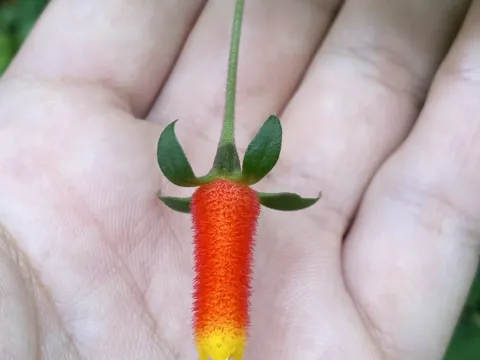
Manettia
Manettia
Propagation of Manettia is primarily achieved through stem cuttings, which is the most reliable method for maintaining the characteristics of the parent plant.
What the section contains


Manettia
Cuttings should be taken in spring or early summer. Selecting healthy, non-flowering stems and planting them in a light, sterile medium ensures a high success rate.
Seed propagation is also possible; however, it requires strict temperature control. Seeds should be sown on top of a moist potting mix and lightly covered.
Using a propagation mat to maintain a consistent temperature of 22–25 degrees Celsius significantly increases germination rates for seeds.
Once seedlings have developed two sets of true leaves, they should be carefully transplanted into larger pots with a nutrient-rich, well-draining soil mix.
Manettia is a genus of flowering plants in the family Rubiaceae. Native to the tropical regions of the Americas, it thrives in warm, humid environments.
The plant requires bright, filtered light. While it loves sunlight, intense direct sun can scorch the delicate foliage, especially during the midday hours.
Soil should be rich in organic matter and slightly acidic. Good drainage is essential, as the roots are sensitive to anaerobic conditions caused by waterlogging.
Consistent moisture is key. The soil should be kept damp, but never soggy. During the growing season, regular watering must be balanced with adequate fertilization.
As a vigorous climber, Manettia needs a sturdy trellis or support system. Regularly training the vines helps ensure uniform growth and creates a visually appealing display.
Spider mites are the most common pest, particularly in environments with low humidity. They can quickly colonize the undersides of leaves, causing yellowing and webbing.
Aphids can also attack new, succulent growth. Early detection and mechanical removal are often sufficient to prevent large-scale infestations.
Poor air circulation combined with high humidity creates an ideal environment for fungal diseases, which can manifest as leaf spots or stem rot.
Integrated pest management, including regular inspection and the use of insecticidal soaps, is recommended for long-term health of the plant.
Maintaining a clean growing area and removing dead or dying leaves helps to reduce the risk of potential pathogens spreading throughout the collection.