
Leptodermis purdomii
Leptodermis purdomii
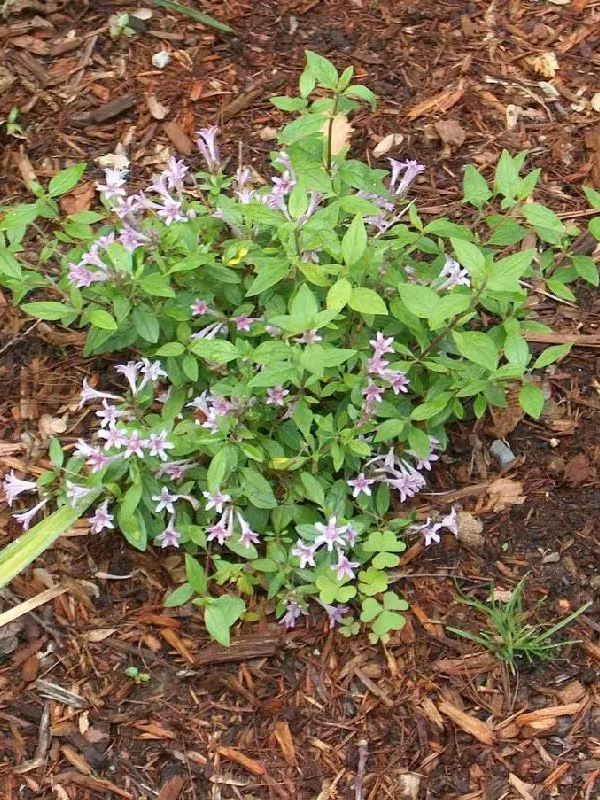
Description
Sowing dates
Leptodermis purdomii, a member of the Rubiaceae family, is typically propagated via seeds or cuttings. Sowing is best performed in early spring once soil temperatures have stabilized to ensure successful germination.
Seed germination is improved by a period of cold stratification, mimicking natural conditions that trigger growth. The growing medium should be well-draining, sandy, and slightly acidic to neutral in pH.
For vegetative propagation, semi-hardwood cuttings should be collected in early summer. These should be kept in a high-humidity environment, such as a greenhouse or a propagation frame, to encourage root development.
Seedlings should be pricked out once they develop their first set of true leaves. At this juvenile stage, protection from direct sunlight and consistent moisture are essential for establishing a healthy root system.
Transplanting to the permanent outdoor location should occur only after the risk of late spring frosts has passed. Initial watering is critical during the first few weeks to help the plant establish itself in the garden.
Growing requirements
This species requires full sun to partial shade, with full sun being preferable for optimal flowering density and foliage color. Excessive shade can lead to leggy growth and reduced blooming.
Soil requirements focus on excellent drainage; waterlogged soils are detrimental to the roots. A loamy or sandy soil mix, rich in organic matter, provides the best environment for the plant to thrive.
Leptodermis purdomii is moderately hardy, surviving in temperate climates. In regions with severe winters, providing a layer of mulch around the base or using protective covers is recommended to ensure survival.
Regular watering is necessary during prolonged dry spells, though the soil should never be constantly sodden. Good airflow is essential to keep the foliage healthy and prevent moisture-related issues.
Annual maintenance involves pruning in early spring to shape the shrub and remove any dead or damaged wood. This practice keeps the plant compact and encourages the production of new, vigorous flowering shoots.
Main diseases and pests
The primary threat to Leptodermis purdomii is root rot, usually caused by poor drainage or overwatering. Maintaining a proper soil moisture balance is the most effective preventive measure against such infections.
Common pests include aphids and spider mites, which tend to infest the plant during hot and dry weather conditions. Monitoring the underside of leaves for early signs of infestation is crucial for effective control.
Mealybugs may occasionally affect the plant, particularly in sheltered or indoor environments. Biological controls or insecticidal soaps can be used to manage these pests without damaging the foliage.
Leaf spot diseases may occur if there is insufficient air circulation combined with high humidity. Proper spacing between plants helps maintain a dry canopy and reduces the risk of fungal infections.
General hygiene, such as removing fallen leaves in autumn, is essential for reducing the risk of pests and diseases overwintering in the soil. A healthy plant with balanced nutrition has stronger natural defenses.