
Leptodermis pilosa
Leptodermis pilosa
Description
Growing requirements
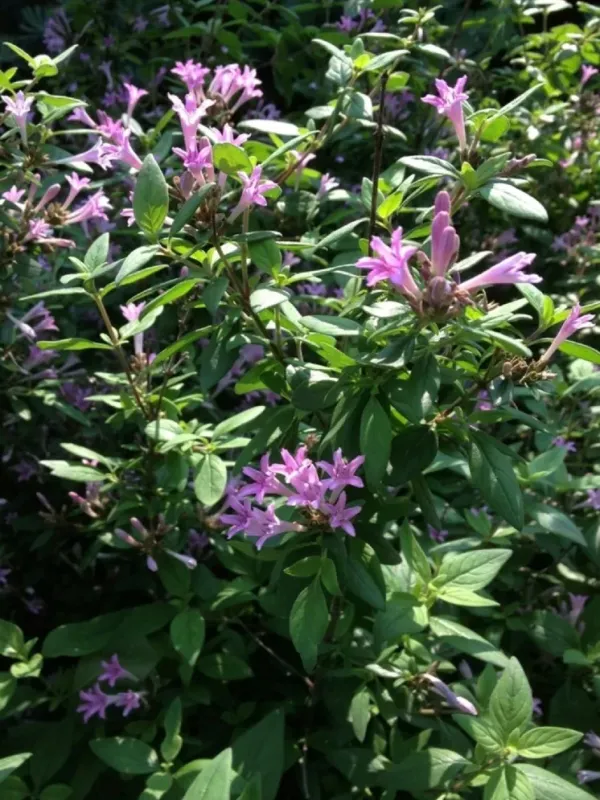
Leptodermis pilosa is an attractive deciduous shrub belonging to the Rubiaceae family. Known for its elegant form and flowering habits, it has gained attention in niche gardening circles for its unique aesthetic properties.
Originating from the mountain regions of China, this species is naturally adapted to rocky slopes and high-drainage environments. These origins dictate the specific requirements for its cultivation in domestic gardens and landscapes.
For optimal growth, Leptodermis pilosa requires well-drained, porous soil that prevents water accumulation. It performs best in sites with ample light but appreciates protection from the intense heat of the mid-afternoon sun.
The climate requirements involve a preference for temperate zones with moderate humidity levels. While it is relatively hardy, mature plants demonstrate better resilience to temperature fluctuations compared to young specimens.
In landscape design, this shrub is utilized in rock gardens and alpine settings. Its compact structure makes it an excellent choice for borders or as an ornamental specimen in gardens featuring stone elements.
Main diseases and pests
Fungal diseases are the primary concern for Leptodermis pilosa when grown in humid or poorly ventilated conditions. Proper pruning techniques are essential to maintain airflow throughout the plant's canopy, effectively reducing the risk of rot.
Spider mites represent the most common pest, especially during hot and dry summer spells. Regular monitoring of the foliage and the application of horticultural oils or miticides can manage these infestations effectively.
Powdery mildew may manifest if the plant is subjected to significant stress or overcrowding. To combat this, ensure adequate spacing between plants and avoid overhead watering that keeps the foliage consistently wet.
Root system health is vital, and soil-borne pathogens are often a result of waterlogging. Proper drainage preparation is the most effective preventative measure against root decay in this species.
Implementing an integrated pest management approach allows for a balanced environment where beneficial insects can help control potential outbreaks of common garden pests, reducing the need for chemical intervention.