
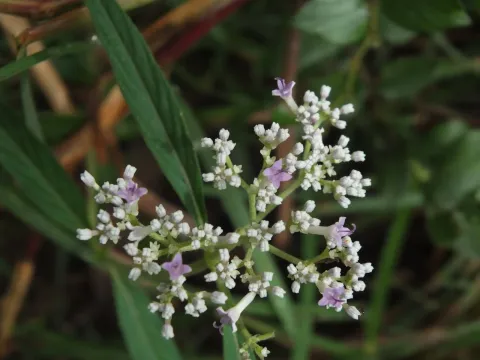
Knoxia
Knoxia
Sowing Knoxia requires careful planning based on the local climate to ensure the seeds are not exposed to late frost conditions.
What the section contains

Knoxia
The ideal time for planting is typically in spring, when soil temperatures consistently reach levels suitable for germination.
In regions with cooler climates, starting seeds in a controlled environment like a greenhouse provides a significant growth advantage.
The seeds should be sown at a shallow depth to ensure they receive the necessary light exposure required for the germination process.
Thinning out the young plants is essential to provide enough space for each specimen to develop a strong root system and healthy foliage.
Knoxia is a member of the Rubiaceae family, comprising several species that thrive in diverse tropical and temperate environments.
The plant requires well-drained soil with a balanced nutrient content, ideally avoiding heavy clays that may lead to root rot.
Abundant sunlight is a critical factor for successful development; shaded areas often lead to leggy plants and reduced secondary metabolites.
While Knoxia displays some drought tolerance once established, regular irrigation during the initial stages is necessary for proper growth.
Maintaining a neutral soil pH is generally recommended for maximizing the nutrient uptake capacity of the root system during the season.
The yield of Knoxia is highly dependent on the quality of soil management and the consistent application of suitable fertilizer regimes.
Harvesting at the correct phenological stage is crucial, as the accumulation of secondary compounds is highest during the flowering phase.
Managing weed competition effectively is one of the most important agronomic practices to ensure that the plant reaches its full potential.
Productivity metrics are usually expressed in terms of dried biomass, which is the standard form of raw material for pharmaceutical processing.
Sustainable agricultural practices and optimized plant spacing can lead to consistent and high-quality harvests for commercial purposes.
Fungal diseases are the primary concern for Knoxia cultivation, especially in environments with high humidity and poor air circulation.
Pests such as aphids and mites can cause significant damage to the plant, potentially leading to stunted growth and reduced biomass yield.
Integrated pest management strategies are advised, emphasizing the use of beneficial insects and resistant cultivars where possible.
Regular field scouting is essential to identify early signs of infestation or infection, allowing for targeted interventions before issues spread.
Maintaining proper hygiene in the field and removing debris are vital steps in minimizing the carryover of pathogens between planting seasons.
Harvesting usually involves cutting the aerial parts of the plant, ensuring that the timing coincides with the peak concentration of active ingredients.
Post-harvest handling is critical, as immediate drying prevents the degradation of sensitive phytochemicals caused by moisture or heat.
Proper drying temperatures must be maintained to preserve the botanical integrity and medicinal value of the collected raw plant material.
Once dried, the product should be handled with care to minimize breakage and loss of valuable particles, such as seeds or leaves.
Storage should be conducted in climate-controlled environments, protecting the final product from pests, moisture, and light exposure until sale.