
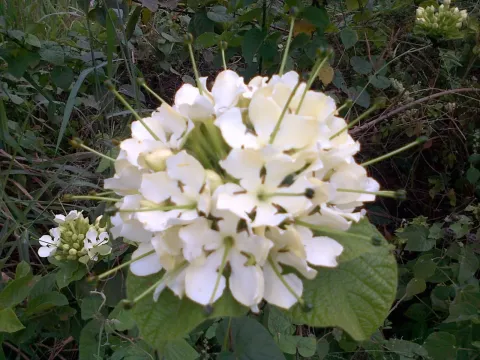
Macrosphyra
Macrosphyra
Macrosphyra is a genus of flowering plants that belongs to the family Rubiaceae. This family is taxonomically diverse and economically significant, including many species known for their phytochemical properties and aromatic compounds.
What the section contains

Macrosphyra
Native primarily to the tropical regions of Africa, these plants are typically found in moist forest environments. They have evolved to thrive in the shaded understory, where nutrient cycling is rapid and humidity remains consistently high throughout the year.
The botanical structure of Macrosphyra is characterized by woody stems, opposite leaves, and distinctive tubular flowers. These morphological adaptations are optimized for survival in high-moisture tropical ecosystems, where competitive growth for sunlight occurs.
Cultivation requirements include a warm, frost-free climate with consistent rainfall or supplemental irrigation. The soil must be well-drained and rich in organic matter, as the plant is highly sensitive to soil compaction and waterlogging.
In terms of practical application, Macrosphyra is predominantly studied for its phytochemical potential. Its usage is concentrated in traditional medicine, with ongoing scientific efforts to validate the pharmacological activity of its secondary metabolites.
Fungal pathogens represent the most significant threat to Macrosphyra, particularly in environments with poor airflow or excessive humidity, leading to leaf spot and stem rot diseases.
Common agricultural pests such as mealybugs, aphids, and scale insects frequently infest these plants, feeding on sap and often introducing secondary viral infections that stunt growth.
Effective management strategies emphasize the importance of spacing to ensure adequate air circulation and the use of integrated pest management (IPM) to reduce chemical reliance.
Soil-borne diseases such as root rot caused by Pythium species can occur if the growing medium lacks proper drainage, necessitating the use of specialized soil mixes for pot cultivation.
Strict sanitation protocols are required when handling plant material, as mechanical damage can provide entry points for opportunistic pathogens that thrive in warm, humid conditions.