
Macrocnemum
Macrocnemum
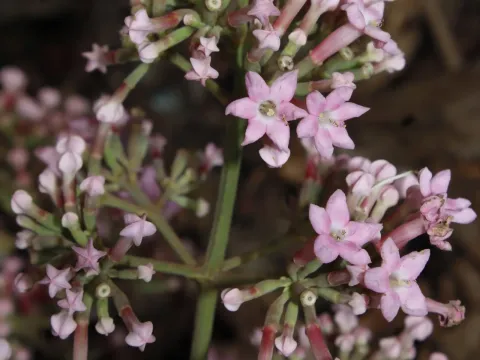
Macrocnemum is a genus of flowering plants belonging to the family Rubiaceae. These plants are native to the tropical regions of Central and South America, where they are typically found in moist forest environments.
What the section contains

Macrocnemum
The plant requires a strictly tropical climate to thrive, characterized by high temperatures and consistent humidity throughout the year. It cannot tolerate freezing temperatures or cold drafts, which makes it sensitive for cultivation in temperate zones.
Optimal soil conditions include well-draining, nutrient-rich substrates that mimic forest floor conditions. Maintaining a slightly acidic to neutral pH is essential for the healthy uptake of minerals and overall vigor.
Regarding light, Macrocnemum prefers bright, filtered sunlight. Exposure to intense, direct midday sun can stress the foliage, so partial shade or dappled light is considered ideal for maintaining its health.
Proper agronomic care involves steady irrigation to keep the root system moist without causing waterlogging, supplemented by periodic applications of balanced fertilizers to support vegetative growth.
Fungal pathogens represent the primary threat to Macrocnemum, particularly in high-humidity environments where poor airflow can trigger leaf spots or stem decay, necessitating careful monitoring.
Insect pests such as mealybugs, scale insects, and spider mites frequently affect these tropical plants. They feed on plant sap, which can cause leaf yellowing and general weakness if left untreated.
Effective management strategies include regular sanitation of the growing area and the application of appropriate systemic insecticides to eliminate pest populations before they cause significant damage.
To prevent disease, it is recommended to maintain optimal plant spacing to promote air circulation and avoid overhead watering, which can encourage the growth of pathogenic fungi on foliage.
Integrated pest management, combining biological controls and responsible chemical usage, remains the most effective method to ensure the longevity and decorative quality of the plant collection.