
Leptodermis lanceolata
Leptodermis lanceolata
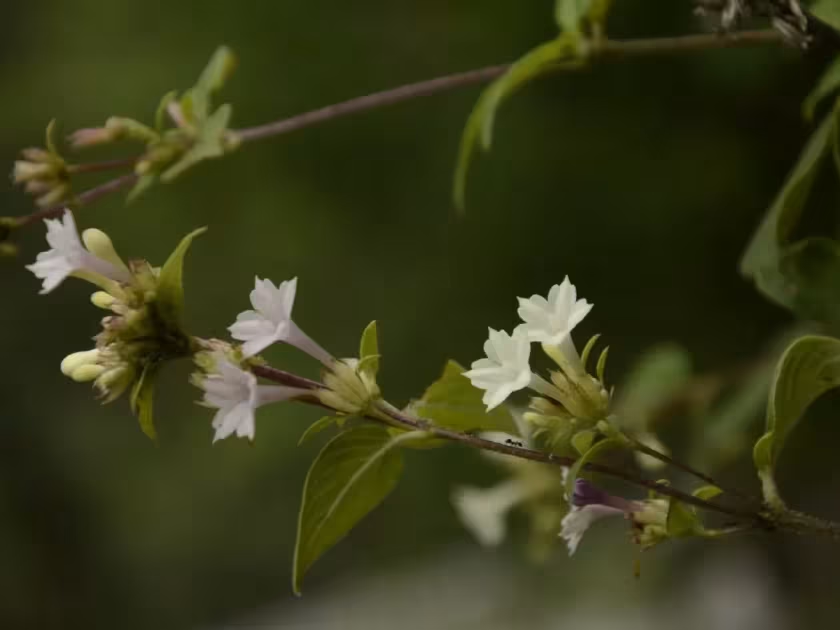
Description
Growing requirements
Leptodermis lanceolata is a deciduous shrub that belongs to the Rubiaceae family. Native to the Himalayan region, this plant has adapted to survive in mountainous climates, thriving in rocky soils and areas with distinct seasonal temperature changes.
Botanically, it is recognized by its slender, elegant stems and characteristic lance-shaped leaves, which provide a delicate texture to any garden setting. The flowers are gathered in dense heads and emit a subtle fragrance, making it a desirable species for botanical collections.
The cultivation requirements for this plant include well-drained, fertile soil that provides adequate aeration for the root system. It prefers sites with plenty of light, although it can tolerate partial shade in hotter climates, ensuring that the soil remains consistently moist but never waterlogged.
A successful agronomic approach for this species involves periodic pruning to maintain a healthy structure and shape. This practice not only keeps the plant looking tidy but also encourages the development of new flowering stems, which is essential for its ornamental value.
In terms of practical use, Leptodermis lanceolata is primarily grown as an ornamental plant for rock gardens or as a specimen shrub. Its resilience and aesthetic appeal make it a popular choice for sustainable landscaping projects that aim to integrate exotic-looking yet hardy species.
Main diseases and pests
Common plant diseases that affect Leptodermis lanceolata include powdery mildew, especially in humid and stagnant air conditions. This fungal disease creates a white coating on the leaves and stems, inhibiting photosynthesis and reducing the overall vigor of the shrub.
Pests such as aphids and spider mites are frequently encountered during the peak of the growing season. These insects feed on the sap of tender new growth, causing curling leaves and potentially introducing viral diseases that can permanently damage the plant's health.
Integrated pest management strategies are highly recommended for this shrub. This includes the introduction of beneficial predators like ladybugs or the use of insecticidal soaps, which help control pest populations without leaving toxic residues in the garden soil.
Disease prevention also relies heavily on cultural practices, such as ensuring proper spacing between plants. By allowing adequate airflow, the humidity levels around the foliage are reduced, which significantly lowers the risk of fungal infections throughout the summer months.
Regular monitoring of the plant's condition is essential for early detection of issues. By checking the undersides of the leaves periodically, gardeners can identify pest infestations at their onset, allowing for quick, localized, and environmentally friendly interventions.