
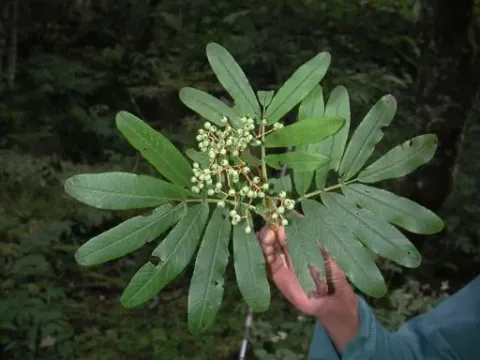
Harrow Mountain Ash
Sorbus harrowiana
The Harrow Mountain Ash (Sorbus harrowiana) is a distinctive species belonging to the Rosaceae family, native to high-altitude regions of China. It is celebrated for its elegant, pinnate leaves with a notable silvery pubescence on the underside, which provides a unique texture and visual interest in any landscape.
What the section contains
Harrow Mountain Ash
This tree thrives in fertile, well-drained soil with a neutral to slightly acidic pH. It is crucial to ensure that the site does not have standing water, as the root system of Sorbus harrowiana is prone to rot in waterlogged or heavy clay conditions that lack sufficient oxygenation.
For optimal growth, the species prefers full sun or light dappled shade. It is well-adapted to cooler temperate climates and generally exhibits good cold hardiness, although protecting young saplings from extreme winter winds during their first few years in the ground is highly recommended.
Agricultural practices for this tree include consistent deep watering during the peak of summer, especially during periods of drought, to support both foliage development and the production of fruits. Applying organic mulch around the base helps retain moisture and stabilizes soil temperatures.
In landscaping, it serves as an excellent ornamental specimen. Its structural form and attractive berries make it a prized choice for public parks and private gardens, often planted as a focal point to highlight seasonal transitions and bring biodiversity to the garden environment.
Like many members of the Rosaceae family, Sorbus harrowiana can be susceptible to fungal issues such as powdery mildew and scab. Maintaining good air circulation within the canopy through proper pruning is essential to prevent moisture buildup and minimize the risk of infection.
Pests, particularly aphids and the mountain ash sawfly, can occasionally attack the foliage, leading to stunted growth or aesthetic damage. Integrated pest management, involving regular monitoring and the use of targeted treatments, is the most effective way to protect the tree.
During the winter months, bark protection is necessary to prevent damage from rodents, such as voles or rabbits, which may chew on the stem. Utilizing protective wire wraps or tree guards is an essential preventative measure to ensure the tree's health and longevity.
Nutrient management is key to maintaining a robust immune system in the tree. Ensuring the soil has adequate organic matter and balanced fertilization prevents deficiency symptoms, such as premature leaf yellowing, which can often be mistaken for early signs of disease.
Sanitation is a critical component of annual maintenance. Collecting and disposing of fallen leaves at the end of autumn is a standard practice to eliminate the primary overwintering sites for pathogens and insect larvae, significantly reducing the pressure from pests in the following spring.