
Hairy-stemmed lady's mantle
Alchemilla hirsuticaulis
Description
Growing requirements
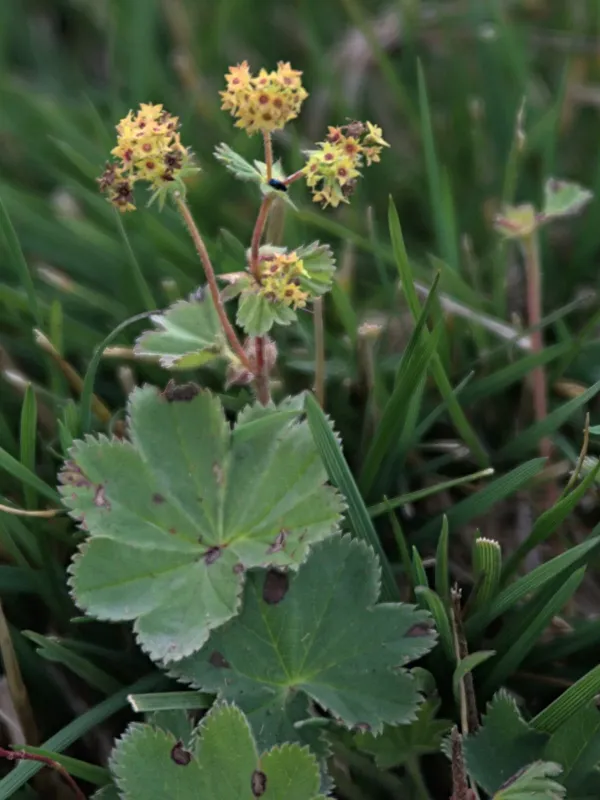
The hairy-stemmed lady's mantle (Alchemilla hirsuticaulis) belongs to the Rosaceae family. It is a perennial herbaceous plant recognized for its distinctive hairy stems and rosette leaves, which hold aesthetic and biochemical value.
Originating from mountain landscapes, this plant thrives in temperate climates where moisture is abundant. Its range of cultivation spans regions that provide cool summers, preventing heat stress and promoting continuous leaf production.
The plant demands well-drained, nutrient-rich soils. While it can survive in various soil types, it performs best in loams with a neutral pH. Proper soil preparation before planting is essential to ensure a healthy root system.
Agricultural practices for this crop focus on soil moisture management. Irrigation should be applied consistently during dry spells to maintain soil hydration without creating waterlogged conditions that could induce rot.
Maintenance involves frequent weeding during the early stages of establishment. Once the plants form a dense ground cover, they naturally suppress many competing weed species, simplifying the long-term management of the field.
Main diseases and pests
The most common disease affecting the lady's mantle is powdery mildew. This fungal infection typically appears during warm, dry days followed by cool, damp nights, necessitating good ventilation within the crop canopy.
Pests such as aphids and small beetles may feed on the tender foliage. Monitoring is crucial, especially in early spring, as these insects can quickly reduce the yield and quality of the medicinal plant material.
Root rots represent a threat, particularly in poorly drained fields. To mitigate this risk, farmers should ensure proper soil drainage and avoid overcrowding plants, which promotes air circulation and prevents moisture accumulation.
Slugs and snails can cause significant damage to the plant leaves in wet conditions. Mechanical barriers or eco-friendly deterrents are often the preferred methods for farmers aiming to maintain organic standards.
Effective management against threats relies on a comprehensive approach, combining sanitation, healthy soil practices, and integrated pest management (IPM) to maintain the overall vigor and productivity of the crop.