
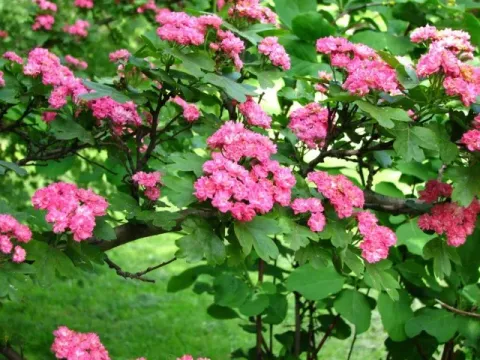
Hawthorn hybrids
Crataegus hybrids
Hawthorns belong to the Rosaceae family. Hybrids are often developed to combine the intense flowering display of ornamental varieties with the nutritional value and size of fruit-bearing species.
What the section contains
Hawthorn hybrids
These plants thrive in full sun exposure. While they are remarkably hardy, selecting a site with good air circulation helps prevent moisture-related issues within the dense foliage of the hybrid shrubs.
Soil requirements for Crataegus hybrids include well-drained, fertile loams with a neutral to slightly alkaline pH. Good drainage is essential, as the root systems are sensitive to prolonged waterlogging.
Maintenance involves regular structural pruning in late winter or early spring to ensure healthy fruit production and maintain the desired shape, especially for those used as hedging plants.
The economic importance of these hybrids extends from horticulture, where they serve as essential landscape components, to medicinal manufacturing, where their berries are processed for heart-health supplements.
Powdery mildew is a significant threat to hawthorn hybrids, especially during seasons with high humidity and poor circulation. Management relies on pruning for airflow and applying appropriate fungicides.
Pests like aphids, hawthorn leaf miners, and scale insects can cause stress to the plant. Monitoring the underside of leaves for early signs of infestation is crucial for effective control.
Rust diseases are a common occurrence when hybrids are planted near host species such as Juniper. Separation of these plants is the most effective cultural practice to manage rust infection.
Fire blight can also affect members of the Rosaceae family. It is vital to disinfect pruning tools regularly to prevent the mechanical transmission of bacteria from infected branches to healthy ones.
General tree health management, such as balanced fertilization and proper mulching, plays a critical role in increasing the tree's natural resistance to both pests and fungal pathogens.