
Hairy bramble
Rubus hirsutus
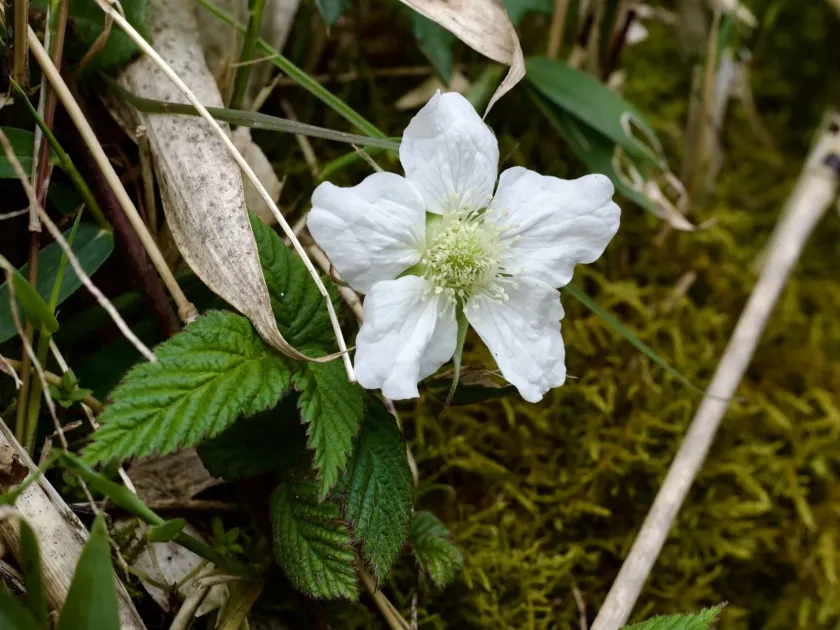
Description
Growing requirements
Hairy bramble (Rubus hirsutus) is a member of the Rosaceae family. This perennial shrub is native to East Asia, flourishing in mountainous regions and forest fringes where it adapts to varying microclimatic conditions.
The plant requires well-drained, fertile soil rich in organic matter. It thrives in locations that receive dappled sunlight, avoiding harsh midday heat while ensuring enough light for fruit development.
Agricultural success depends on maintaining stable moisture levels throughout the growing season. While the species is relatively hardy, it benefits from wind protection to prevent mechanical damage to its thorny, hirsute stems.
Soil management should include regular application of organic compost and careful monitoring of pH levels. Maintaining a slightly acidic environment is key to optimal nutrient uptake in this specific Rubus species.
Pruning is essential for maintaining plant vigor. Removing old, woody stems encourages the growth of new, high-yielding shoots. Mulching serves as an important practice to protect the shallow root system from temperature extremes.
Main diseases and pests
Like many species in the genus, Rubus hirsutus is susceptible to fungal pathogens such as anthracnose, which can severely impact yield if left unmanaged during humid conditions.
Pests such as spider mites and aphids pose a significant risk, especially during dry spells. Monitoring the undersides of leaves is recommended for early detection of these populations.
Cultural control, including proper site selection and spacing, is the first line of defense against foliage diseases. Promoting airflow through the canopy drastically reduces humidity-related issues.
Integrated Pest Management (IPM) practices should be employed to balance chemical interventions with biological control, ensuring the health of both the shrub and the local ecosystem.
Late autumn sanitation, consisting of removing debris from the base of the plant, reduces the overwintering capacity of pests and fungal spores in the soil.
Harvesting
Harvesting usually occurs in late summer. Due to the delicate nature of the fruit, hand-picking at peak ripeness is required to ensure optimal flavor and sugar content for fresh market use.
The berries are highly prized for their unique flavor profile and are utilized in culinary applications, including preserves, baking, and the production of artisan syrups.