
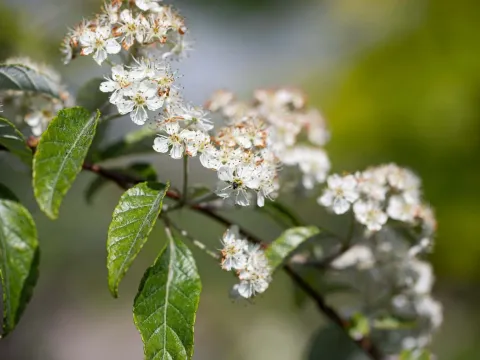
Folgner mountain ash
Sorbus folgneri
Folgner mountain ash (Sorbus folgneri) is a deciduous tree belonging to the Rosaceae family, native to the mountainous regions of Central and Western China. This species is highly valued in horticulture for its elegant weeping habit and the distinctive silvery-white undersides of its leaves, which provide a striking contrast.
What the section contains
Folgner mountain ash
The plant thrives in well-drained, fertile, and moderately moist soils. It prefers a sunny location to develop its characteristic foliage color properly, although it can tolerate partial shade. Proper soil aeration is crucial for the healthy development of its root system.
In terms of climate, Sorbus folgneri is generally hardy but benefits from protection against harsh, desiccating winds. In regions with severe winters, it is advisable to mulch the root zone and protect the trunk of young trees to prevent frost cracking.
Agronomic maintenance includes regular watering during dry spells, especially while the tree is establishing. Application of balanced fertilizers in early spring supports vigorous growth. Weed control in the root zone is necessary to reduce competition for nutrients and moisture.
The primary use of Folgner mountain ash is ornamental. It is frequently used in landscape design as a focal point, in mixed shrub borders, or in parks, where its graceful form, autumn foliage, and attractive red berries provide aesthetic interest throughout the seasons.
Common fungal diseases such as powdery mildew and scab can affect this species. To minimize the risk of infection, it is important to ensure good air circulation within the canopy through selective pruning and by avoiding overhead irrigation.
Aphids are the most frequent pests, often clustering on young shoots and leaves. Regular monitoring during the growing season allows for early intervention, often using insecticidal soaps or neem oil to control outbreaks.
Fire blight, a bacterial disease, is a significant threat to many members of the Rosaceae family. Infected branches should be pruned back to healthy wood, ensuring tools are disinfected between cuts to prevent further spread.
Borers and scale insects can occasionally cause damage to the trunk or branches. Maintaining the overall vigor of the tree through correct watering and nutrient management helps the plant defend itself against these stressors.
Regular inspection of the foliage and bark is essential for maintaining plant health. Early identification of any signs of distress or infestation is the best approach to ensuring the longevity of this ornamental tree in the garden.