
Fragaria nubicola
Fragaria nubicola
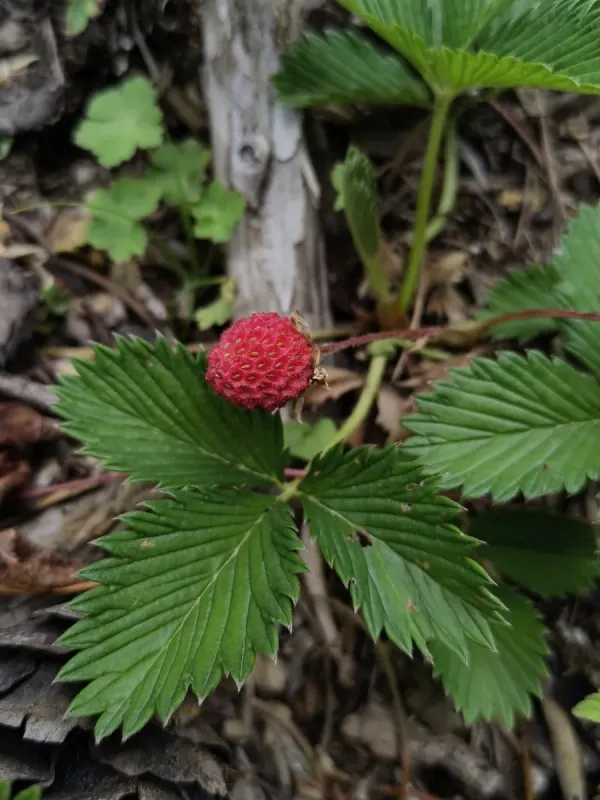
Description
Growing requirements
Fragaria nubicola is a perennial herb belonging to the Rosaceae family, native to the mountainous regions of the Himalayas, including Nepal, Bhutan, and parts of Northern India. It is well-adapted to high-altitude environments, typically thriving at elevations between 2,000 and 4,000 meters.
The plant grows as a small, spreading herbaceous perennial, producing runners for vegetative propagation. Its leaves feature distinct pubescence, which serves as a physiological adaptation to the cooler temperatures and intense UV radiation characteristic of its natural mountain habitat.
Cultivation requires cool, moist conditions with protection from direct, scorching sunlight. Ideally, the plant should be situated in partial shade, mimicking the forest-edge environments where it naturally grows in the wild.
Soil requirements focus on high organic matter content, excellent drainage, and a slightly acidic to neutral pH. Maintaining consistent soil moisture is crucial, but waterlogging must be avoided to prevent root rot and ensure the longevity of the plant.
This species is of significant interest in breeding programs for its genetic potential in imparting cold hardiness and environmental resilience to modern strawberry cultivars, as well as its unique aromatic profile.
Main diseases and pests
Fragaria nubicola is susceptible to various fungal pathogens, most notably powdery mildew and grey mold (Botrytis cinerea), which tend to proliferate in stagnant, high-humidity environments.
Insect pests such as spider mites and strawberry blossom weevils are the primary threats, capable of causing substantial damage to foliage and developing buds if not managed early in the season.
Root-knot nematodes can also pose a severe threat in certain soils, particularly if the land was previously occupied by other susceptible Solanaceae or Rosaceae crops, necessitating proper soil preparation.
Slugs and snails frequently target the ripening fruits, necessitating integrated pest management strategies, including physical barriers or the encouragement of natural predators in the garden ecosystem.
Cultural control remains the most effective strategy, involving rigorous sanitation practices, such as the removal of dead leaf tissue and ensuring optimal plant spacing to promote airflow.