
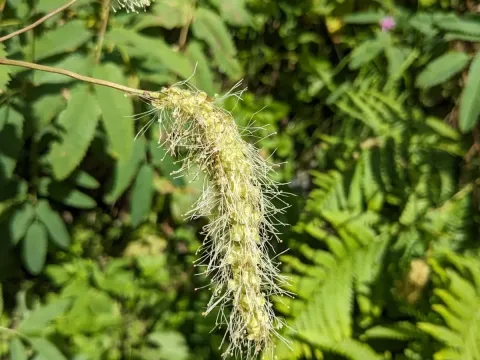
Sanguisorba dodecandra
Sanguisorba dodecandra
Sanguisorba dodecandra is a unique member of the Rosaceae family, primarily valued for its botanical resilience and ornamental properties. The species typically propagates via seeds or by dividing established clumps in spring.
What the section contains
Sanguisorba dodecandra
Seeds require a period of stratification to break dormancy and ensure uniform germination. Sowing is best performed in early spring into well-aerated, fertile seedbeds to optimize early development.
When propagating through root division, it is essential to ensure that each section has viable buds and a healthy root system. This method is preferred for consistent growth and maintaining specific traits.
Proper spacing is vital for the health of the crop. Providing at least 50 cm between individual plants helps prevent overcrowding and encourages the formation of robust basal rosettes.
Monitoring initial establishment is crucial, as young plants require consistent moisture and protection from harsh environmental stressors until the root system is fully mature.
This species thrives in moist, well-drained soils rich in organic matter. While it is adaptable, it performs best in soils with a neutral pH, avoiding extreme acidity or alkalinity.
Light requirements include full sun to partial shade. In warmer regions, protection from direct afternoon sun is recommended to prevent excessive transpiration and thermal stress on the leaves.
Maintaining soil moisture is essential, especially during the active growth phase. Regular irrigation helps the plants withstand seasonal temperature fluctuations and promotes vigorous development.
Fertilization should be balanced, focusing on organic materials to improve soil structure. Excessive nitrogen application should be avoided as it may lead to weak, elongated growth.
Regular cultivation of the soil surface helps improve gas exchange and aeration, which is beneficial for root health and overall plant vigor.
Powdery mildew represents the most significant fungal threat, particularly in dense plantings where airflow is restricted. Improving ventilation is the most effective preventative measure.
Leaf spot diseases may occur during wet or humid weather conditions. Proactive management involves removing infected debris and applying appropriate fungicides if the spread is noted.
Aphids and other sap-sucking insects can damage young foliage during the spring. Early identification allows for biological control measures before the population reaches damaging levels.
Root rot is a common issue linked to poor drainage or overwatering. Ensuring the planting site has sufficient slope or drainage layers is critical for preventing this condition.
Continuous monitoring and good agricultural practices are essential for sustaining plant health and ensuring that the crop remains productive over several seasons.