
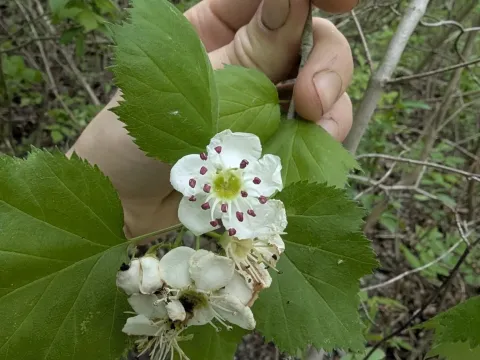
Scarlet hawthorn
Crataegus coccinioides
The propagation of scarlet hawthorn is typically achieved through seeds, although this process requires patience due to the dormancy period. Seeds should be stratified in cold conditions for several months before sowing to ensure a successful germination rate.
What the section contains
Scarlet hawthorn
For best results, seeds are often sown outdoors in the autumn, allowing the natural cycle of winter temperatures to break their dormancy. If sowing in spring, ensure the seeds have undergone artificial cold stratification in a refrigerator.
When planting young saplings, choose a spot with well-drained soil and sufficient room for crown expansion. Early spring, before the buds start to swell, or late autumn is considered the ideal time for transplanting into the garden.
Proper spacing is crucial for this species, as it grows into a sizeable shrub or small tree. Adequate room allows for good air circulation, which significantly reduces the risk of fungal diseases that often affect dense foliage.
Watering immediately after planting and adding a layer of organic mulch around the root zone helps the young plant establish itself. This protective layer maintains soil moisture and prevents extreme temperature fluctuations.
Scarlet hawthorn, belonging to the Rosaceae family, is a highly resilient plant that thrives in temperate climates. It prefers sunny locations where it can receive at least six hours of direct sunlight, which is essential for fruit production.
The plant is not overly demanding regarding soil quality but performs best in deep, fertile loams with a neutral to slightly alkaline pH. Good drainage is vital, as the root system does not tolerate prolonged waterlogging.
This species is exceptionally cold-hardy and can withstand harsh winter conditions without the need for winter covers. Once established, it is remarkably durable, making it an excellent choice for low-maintenance landscapes.
While mature trees are quite drought-tolerant, providing consistent moisture during the first few growing seasons will encourage faster growth and a more vigorous development. Avoid excessive nitrogen fertilizers, which can lead to rapid but weak growth.
Maintenance pruning is a key aspect of its care. Removing dead, damaged, or crossing branches in late winter improves the plant's structural integrity and ensures that the inner parts of the canopy receive enough light.
The primary use of scarlet hawthorn is ornamental, valued for its spectacular foliage and large, bright red fruits that persist into autumn. It serves as an excellent focal point in large gardens or park settings.
The fruits are edible and can be processed into jams, jellies, and syrups. They have a pleasant flavor profile, making them a unique addition to homemade preserves that can be used throughout the winter season.
In traditional medicine, hawthorn berries and flowers are widely recognized for their heart-healthy properties. They are often used in herbal infusions to support cardiovascular health and help manage blood pressure.
Because of its natural thorns, this plant is frequently used to create security hedges. These hedges act as effective natural barriers that are both visually appealing and physically intimidating to unwanted pests or animals.
Harvesting should occur when the berries have reached full maturity and are deep red in color. The fruits can be easily dried for long-term storage, providing a nutritious ingredient for health-supporting herbal teas.
The most common disease affecting scarlet hawthorn is powdery mildew, characterized by a white powdery coating on the leaves. Promoting airflow through proper pruning and avoiding overhead watering can minimize the occurrence of this issue.
Rust diseases, manifesting as orange spots on leaves, can occur during exceptionally wet seasons. If symptoms appear, it is recommended to remove and destroy the affected foliage promptly and apply a suitable organic fungicide.
Aphids and certain types of borers are the primary insect pests that can target the foliage or wood. Regular monitoring of the canopy during the spring months allows for early detection and mitigation of these potential infestations.
Bacterial fire blight can be a serious concern for some hawthorn species. It is crucial to monitor for wilting branches and to disinfect pruning tools with alcohol between cuts to prevent the spread of the infection.
Maintaining a healthy, stress-free plant through correct watering and feeding is the best defense against pests and diseases. A well-tended hawthorn will naturally exhibit stronger resistance to common environmental pressures.