
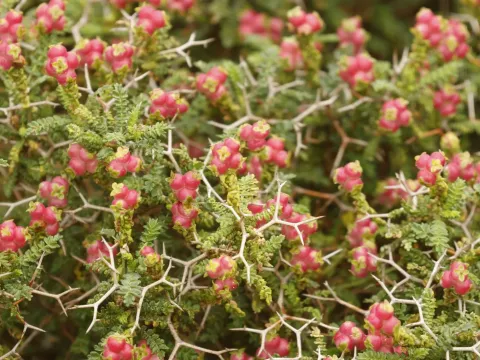
Sarcopoterium spinosum
Sarcopoterium
Sowing of Sarcopoterium spinosum is generally performed using seeds that require a cold stratification period to break dormancy. Spring is the preferred season for sowing once the soil temperature has reached a stable warm level.
What the section contains

Sarcopoterium spinosum
Seeds should be planted in well-drained, sandy or rocky substrates at a shallow depth of no more than 2 centimeters. Ensuring excellent drainage during the germination phase is critical to prevent seedling damping-off.
Commercial nurseries often use pre-soaking techniques in growth-promoting solutions to enhance germination uniformity. Consistent soil moisture is required only during the early emergence stage before the plants establish their taproots.
Vegetative propagation via cuttings is a viable alternative for maintaining desirable plant traits. Semi-hardwood cuttings are typically taken during late summer and treated with rooting hormones before being placed in a propagating bench.
Young plants are relatively slow-growing during the first season and require meticulous weed control. Keeping the area free from competing vegetation is essential for the young shrubs to develop a robust root system.
Sarcopoterium spinosum, belonging to the Rosaceae family, is a highly adapted shrub native to the Mediterranean region. It thrives in harsh environments characterized by prolonged dry summers and intense sun exposure.
The plant demonstrates a strong preference for calcareous, rocky, or gravelly soils. It is extremely intolerant of waterlogged conditions, making high-drainage sites mandatory for successful commercial cultivation.
Sunlight is a primary requirement for this species. Any form of shading or canopy cover will result in poor development, reduced essential oil synthesis, and an overall decline in the plant's structural health.
Nutrient requirements are generally low, as the plant is adapted to nutrient-poor soils. Excessive nitrogen application should be avoided as it encourages succulent growth prone to pest damage and reduces drought resilience.
While the species is hardy in Mediterranean climates, it requires protection in regions prone to heavy frost. Understanding the local microclimate is essential for selecting appropriate planting sites in non-native regions.
The agricultural productivity of Sarcopoterium spinosum is evaluated based on the yield of aerial biomass used for medicinal or essential oil extraction. Stable yields are typically achieved after the third or fourth year of growth.
Harvesting is best executed during the peak of the flowering stage, ensuring that the concentration of secondary metabolites is at its highest point. Mechanical harvesting methods can be applied to large-scale plantations.
Proper post-harvest processing involves air-drying the biomass in shaded, well-ventilated structures. Controlling drying temperatures is vital to prevent the degradation of volatile compounds and maintain product quality.
Regular rejuvenation pruning is a core management practice that promotes new vegetative growth. By removing old or woody stems, farmers can extend the productive life of the plantation significantly.
Yield stability is heavily influenced by planting density and the effective management of abiotic stressors. Farmers should focus on optimizing the plant's water balance during its most active growth phases.
The most common disease threats to this crop include root rot pathogens, which are almost exclusively caused by over-irrigation or inadequate soil drainage. Vigilance regarding moisture management is the primary defense.
Pests such as aphids and spider mites frequently affect the shrub, particularly during hot, arid periods. These pests feed on succulent tips and can lead to significant defoliation if left unchecked.
Integrated pest management strategies should be employed, focusing on early detection and the use of targeted biological controls where possible. Manual removal of infected twigs is recommended for small infestations.
Powdery mildew can occasionally appear under humid conditions or poor air circulation. Improving spacing between rows and plants helps increase airflow, effectively reducing the risk of fungal outbreaks.
Maintaining high hygiene standards in the field, including the removal of dead plant debris, is an effective way to minimize the overwintering of pests and pathogens, protecting the long-term health of the crop.