
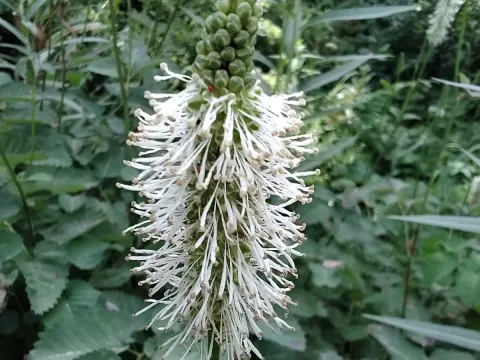
Sanguisorba stipulata
Sanguisorba stipulata
Sanguisorba stipulata is sown in the spring once the soil temperature consistently reaches 5–8 degrees Celsius, or alternatively, late in the autumn for winter sowing in well-prepared seedbeds.
What the section contains
Sanguisorba stipulata
Seeds should be sown at a depth of 1–2 centimeters, ensuring they remain in close contact with moist soil to facilitate even germination and early root development.
For commercial cultivation, planting in rows with spacing between 30 and 45 centimeters is recommended to provide sufficient room for the plant’s wide rosette of basal leaves.
Seedlings typically emerge within 14–20 days; during this early phase, maintaining consistent moisture levels is vital for establishing a strong, healthy root structure.
During the first year, the plant focuses primarily on vegetative growth, requiring meticulous weed control to ensure that competition for light and nutrients is kept to an absolute minimum.
Sanguisorba stipulata, a member of the Rosaceae family, is a robust perennial herb featuring a thick, substantial rhizome that thrives in various temperate environments.
The plant prefers fertile, loamy soils with a neutral to slightly acidic pH, which provide the ideal balance of nutrient availability and efficient water retention.
Known for its exceptional winter hardiness, this species is well-adapted to regions with severe cold, making it a reliable choice for agriculture in northern or high-altitude areas.
Organic fertilizers, such as well-rotted compost, are highly beneficial as they enhance soil structure and support the vigorous development of both foliage and root systems.
While Sanguisorba stipulata is sun-loving, it can tolerate brief periods of partial shade; however, excellent soil drainage is non-negotiable to prevent waterlogging.
Sanguisorba stipulata holds significant agricultural potential as both a high-quality forage crop and a medicinal resource, thanks to the high tannin content in its rhizomes.
Its aerial parts offer substantial nutritional value for livestock, and the plant's rapid regrowth capacity allows for multiple harvests throughout the growing season.
With proper agronomic management, typical yields of green biomass can reach 20–30 tons per hectare, providing a stable return for the producer.
For medicinal purposes, the rhizomes are harvested during the second or third year, when the concentration of bioactive compounds is at its seasonal peak.
Processing the raw material requires careful drying at temperatures between 50 and 60 degrees Celsius to ensure that the chemical profile remains stable for further use in pharmaceutical products.
Generally resilient, Sanguisorba stipulata may occasionally fall victim to powdery mildew if planting density is too high or air circulation is poor during humid periods.
Root rot is the most significant threat, particularly in poorly drained soils where stagnant water accumulates, leading to oxygen deprivation and decay of the crown.
Insect pests, such as various weevils and leaf-feeding beetles, may cause visible damage to the foliage, which can potentially hinder the photosynthetic rate of younger plants.
Integrated pest management, including crop rotation and the use of preventative biological controls, is highly effective in maintaining a healthy crop population.
Maintaining clear field borders and avoiding adjacent plantings of related wild species helps minimize the risk of spreading pathogens and pests into the main crop area.
Forage harvest is optimal during the full bloom phase, which ensures that the biomass contains the highest possible levels of proteins and essential nutrients for animal feed.
Mowing should be performed at a height of 8–10 centimeters from the ground to prevent damage to the crown and to encourage rapid recovery of the plant after cutting.
Seed harvest begins when the flower heads show signs of drying and darkening, at which point they are collected and stored in ventilated sheds to complete the curing process.
After threshing and cleaning, seeds must be stored in a cool, dry environment with low relative humidity to maintain high viability and prevent fungal contamination.
Adhering to these harvest standards ensures the longevity of the plant stand, reducing the need for replanting and maximizing the overall economic output of the field.