
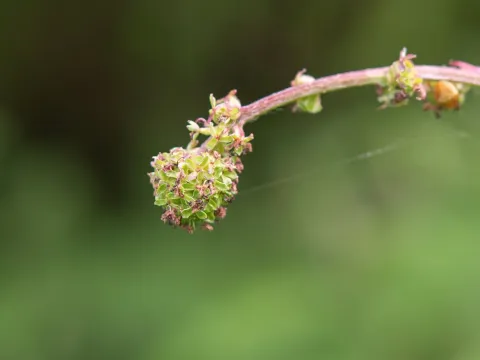
Sanguisorba diandra
Sanguisorba diandra
Sowing Sanguisorba diandra is typically performed during autumn or early spring, provided the seeds have undergone a necessary period of stratification to break dormancy. Proper seed preparation is crucial for achieving high germination rates.
What the section contains
Sanguisorba diandra
Seeds should be planted at a shallow depth of 1–2 centimeters, as they require sufficient oxygen to sprout successfully. Row spacing should be maintained between 45 and 60 centimeters to ensure healthy development of individual plants.
Early stage growth requires diligent weed control, as the young seedlings are prone to competition from invasive grasses. Regular hand-weeding or light mechanical cultivation is recommended during the first year of establishment.
Watering should be kept moderate, avoiding waterlogging, which can cause seeds to decay. Consistent soil moisture is necessary only until the primary root system is firmly established in the soil.
Spring sowing should occur once the soil has warmed up, although the species demonstrates significant resilience to fluctuating temperatures. Optimal planting density is essential for maximizing yield in subsequent years.
Sanguisorba diandra belongs to the Rosaceae family and prefers well-drained, nutrient-rich loamy soils with a neutral or slightly acidic pH. It thrives in locations that avoid stagnant water throughout the growing season.
This species is highly cold-hardy, making it suitable for regions with harsh winter conditions. It requires ample sunlight for optimal flower production and biomass accumulation, though it can tolerate partial shade.
Soil fertility is a key factor; organic fertilizers are highly beneficial when incorporated into the soil during the pre-planting phase. The plant responds well to steady levels of nitrogen and phosphorus.
While the plant is quite hardy, supplemental irrigation during periods of drought during the active growth phase will significantly improve biomass production. Maintaining even moisture supports consistent growth.
Air circulation is vital for plant health, especially in denser stands. Avoiding overcrowding through proper spacing is an essential part of the agricultural management strategy for this crop.
The yield of Sanguisorba diandra foliage and roots is highly dependent on the plant's age and soil conditions. Productive yields are typically expected from the second or third year after establishment.
Biomass intended for pharmaceutical use is harvested during peak blooming periods. This ensures the highest concentration of bioactive compounds within the plant tissues, which determines the product's market value.
Root harvesting is performed at the end of the vegetative cycle. Proper cleaning and drying techniques are necessary to preserve the medicinal potency and quality of the roots during storage.
Seed harvesting is delicate, as the seeds have a tendency to shatter when fully ripe. Early harvesting or the use of protective bags is often necessary to minimize loss and ensure a viable crop.
Regular maintenance, including nutrient supplementation, directly impacts the output per hectare. Professional management of the plantation ensures the crop reaches its biological potential each year.
Fungal infections, particularly leaf spots, are the most frequent threats, occurring mostly under high humidity conditions. Implementing crop rotation helps mitigate the risk of pathogen buildup in the soil.
Insect pests, such as leaf-eating beetles and caterpillars, can cause significant damage to the foliage. Monitoring programs and integrated pest management strategies are advised to maintain plant vigor.
Root rot represents a severe threat if the drainage conditions are inadequate. Ensuring the field has appropriate topography or artificial drainage systems is a critical preventative measure.
Powdery mildew may occur during hot, humid summer months. Thinning out dense patches is a simple yet effective method to improve air circulation and reduce the incidence of the disease.
Aphid colonies can infest the flower buds, stunting development and reducing quality. Targeted, gentle control methods are necessary to preserve the plant's aesthetic and medicinal integrity.
Harvesting the foliage is done using mechanical or manual cutters, leaving enough of the stem base to allow for regrowth. Clean tools are essential to prevent the spread of diseases between plants.
Harvested material should be processed immediately by transporting it to a ventilated drying area. Drying should occur at low temperatures to prevent the degradation of heat-sensitive compounds.
Roots should be excavated carefully, minimizing damage to the structure. Once cleaned of soil, they must be dried thoroughly to reach an moisture content that prevents spoilage during long-term storage.
Seed cleaning involves removing chaff and dust using specialized sieves to meet high-quality standards. Storage should occur in dry, dark, and cool containers to maintain long-term seed viability.
The final product quality relies on the speed and care of post-harvest processing. Maintaining high hygiene standards ensures the produce is suitable for pharmaceutical and decorative applications.