
Oshima cherry
Prunus lannesiana
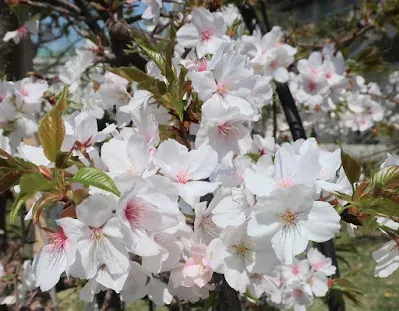
Description
Growing requirements
The Oshima cherry (Prunus lannesiana) is a species of cherry belonging to the Rosaceae family, native to the Izu Islands and the Izu Peninsula in Japan. It is highly regarded for its large, fragrant, white to pale pink flowers and serves as the parent of many popular cherry blossom cultivars.
This species thrives in temperate climates with mild winters and moderate humidity. It requires a sunny location to reach its full potential, as adequate light is crucial for the development of its dense floral display in the spring and healthy foliage throughout the summer.
Regarding soil requirements, Prunus lannesiana prefers deep, fertile, and well-drained soil. It is sensitive to waterlogged conditions, which can lead to root rot; therefore, planting on a slight slope or providing artificial drainage in heavy clay soils is highly recommended.
The tree requires consistent irrigation during its initial years of establishment and during dry spells in mature stages. Mulching the base of the tree is an effective agricultural practice to retain soil moisture and regulate ground temperature around the sensitive root system.
Regular maintenance involves light pruning to manage the tree's architecture and improve air circulation within the canopy. Pruning should be performed carefully, preferably after flowering, to ensure the health of the tree and stimulate vigorous growth for the next season.
Main diseases and pests
Common diseases affecting the Oshima cherry include Monilinia blossom wilt, which can rapidly devastate flowers and young shoots during cool, damp spring weather. Another frequent issue is shot-hole disease, characterized by spots on the leaves that eventually fall out.
Pest threats often involve aphids, which congregate on the underside of young leaves, causing curling and reducing photosynthetic efficiency. Scale insects and various caterpillars can also damage the bark and foliage, requiring timely intervention.
Preventative care is the cornerstone of managing these threats. Maintaining tree vigor through proper fertilization and watering helps the tree fend off minor infections and insect attacks, while also allowing it to recover more quickly if damage occurs.
Sanitation is essential for controlling fungal pathogens. Removing infected twigs and clearing leaf debris from the area beneath the canopy eliminates the primary overwintering sites for spores, significantly reducing the pressure from diseases in subsequent years.
When chemical treatment becomes necessary, it is vital to select products that are safe for pollinators, especially given the tree's high floral appeal. Applying treatments at the correct developmental stage, such as late dormant or early growing, maximizes their effectiveness.