
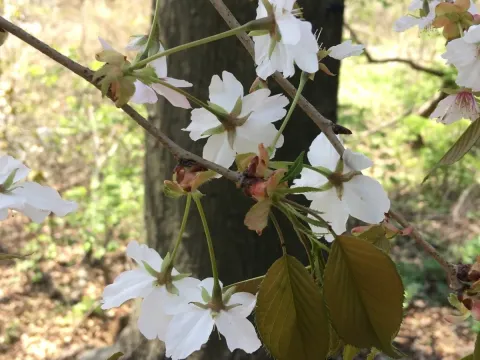
Oshima Cherry
Prunus speciosa
The Oshima cherry (Prunus speciosa) is a species of flowering tree in the family Rosaceae, native to the Izu Islands of Japan. It is recognized as one of the fundamental parent species of many ornamental cherry tree varieties known globally as sakura.
What the section contains
Oshima Cherry
This species thrives in sunny locations with well-drained, fertile soil. It requires a temperate climate to reach its full potential, being moderately tolerant of coastal conditions but sensitive to extreme frost, which can damage its delicate flower buds.
The soil should be kept consistently moist but never waterlogged, as poor drainage is a common cause of root rot. Incorporating compost or well-rotted organic matter into the planting hole helps establish the tree successfully.
Cultural practices include annual pruning to maintain a clear shape and remove dead or diseased wood. Minimal fertilization is typically sufficient, usually applied in early spring before the buds begin to swell to encourage healthy leaf development.
Its primary use is ornamental landscape design, prized for its large, fragrant white flowers and vigorous growth rate. The leaves are also traditionally harvested in Japan, salted, and used to wrap sweets, showcasing the culinary utility of this species.
The Oshima cherry is susceptible to several fungal diseases, particularly brown rot (Monilinia) and cherry leaf spot, which are exacerbated by high humidity and poor air circulation.
Common insect pests include aphids, scale insects, and various species of leaf-eating caterpillars, which can significantly defoliate young or weak trees.
Effective management requires proactive fungicide applications during the pre-bloom and post-bloom periods to protect the tree from fungal spore colonization.
Integrated pest management strategies involve monitoring for the presence of larvae and using horticultural oils or systemic insecticides if population levels exceed economic thresholds.
Maintaining a clean environment around the tree base, including removing fallen leaves that can harbor pathogens, is essential for ensuring long-term tree health and aesthetics.