
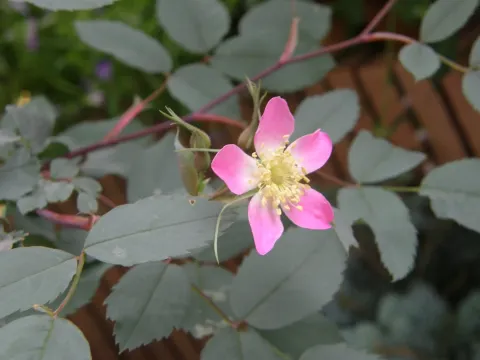
Oriental rose
Rosa orientalis
The Oriental rose (Rosa orientalis) belongs to the Rosaceae family. It is a perennial deciduous shrub native to regions of the Eastern Mediterranean, typically found in rocky habitats and mountain slopes.
What the section contains
Oriental rose
This species requires well-drained, fertile, and slightly acidic to neutral soils to thrive. It performs best in full sun exposure, which is essential for healthy foliage development and prolific flowering.
Climatic requirements involve a Mediterranean-type climate with warm, dry summers and relatively mild winters. Providing adequate moisture during the growing season is critical for maintaining plant vigor.
Cultivation practices include structural pruning conducted in early spring to remove dead wood and encourage new growth. Mulching around the base helps retain soil moisture and suppresses competing weed species.
In terms of land use, Rosa orientalis is highly valued for its ornamental properties. It is often integrated into xeriscaping projects, rock gardens, and naturalistic landscape designs due to its resilience.
Common diseases affecting this rose variety include powdery mildew and black spot. These fungal infections are exacerbated by high humidity levels and poor air circulation within the shrub canopy.
Key pests include aphids, spider mites, and leaf-rolling caterpillars. Integrated pest management (IPM) strategies, including biological control agents and targeted chemical applications, are recommended to maintain plant health.