
Willow-leaved spirea
Spiraea salicifolia
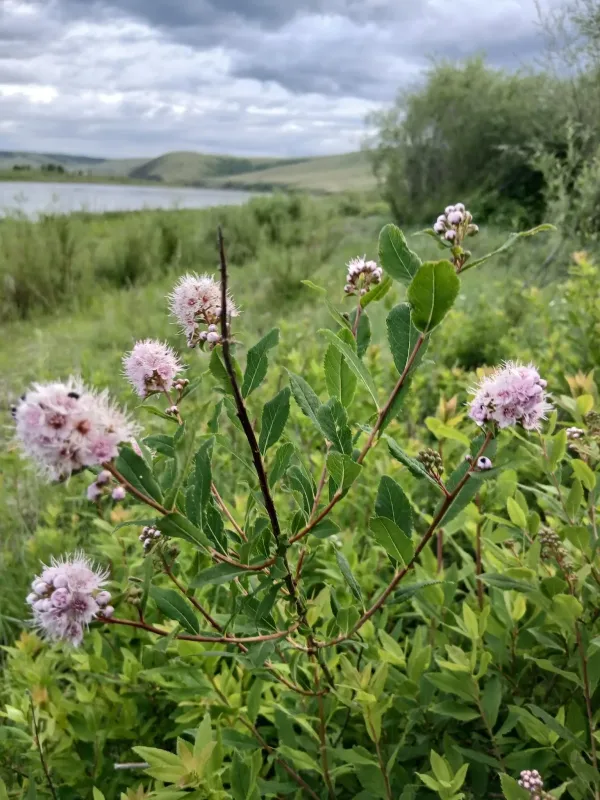
Description
Sowing dates
Propagation of Spiraea salicifolia is commonly achieved through vegetative methods such as softwood cuttings. These cuttings are best taken in mid-summer when the stems are flexible but starting to mature.
Seed propagation is a secondary method, requiring cold stratification of seeds for approximately three months before sowing. Seeds are typically sown in early spring in prepared nursery beds.
For cutting propagation, the use of rooting hormones significantly improves success rates. Cuttings should be kept in a high-humidity environment until a strong root system has developed.
Transplanting into the field is recommended during the dormant season, either in early spring or late autumn, to ensure the plant establishes before the extreme heat or cold.
When planting, ensure adequate spacing between specimens to allow for proper airflow. A distance of 60 to 90 centimeters is generally recommended for dense border or hedge plantings.
Growing requirements
Spiraea salicifolia is a member of the Rosaceae family, recognized for its hardiness and adaptability to a wide range of soil types. It is an excellent choice for temperate climates.
This shrub prefers moist, fertile soils. While it can thrive in various pH levels, it performs best in soils that are rich in organic matter and maintain consistent moisture levels throughout the season.
The plant thrives in full sun but maintains reasonable health in partial shade. However, optimal flowering density is achieved when the plant receives at least six hours of direct sunlight daily.
Maintenance involves regular pruning. Cutting back stems after flowering encourages vigorous new growth for the following season and keeps the shrub in an attractive, compact shape.
Watering requirements are moderate to high, especially during the establishment phase. Mature plants are somewhat tolerant of short dry spells but should be watered during prolonged droughts to prevent leaf drop.
Main diseases and pests
Aphids are the most common pest, often clustering on the tender new growth during the spring. They feed on plant sap, which can cause curling leaves and stunted shoot development.
Spider mites can be problematic during hot, dry summer months. They thrive in dry air, and their feeding often leaves small yellowish spots on the foliage that eventually lead to leaf drop.
Fungal diseases, including leaf spots, occur primarily in environments with poor air circulation or excessive overhead irrigation. Maintaining healthy spacing helps mitigate these issues.
Effective management strategies include both mechanical and chemical control. Regular monitoring of foliage is essential to detect pest activity before it becomes an infestation.
Sanitary pruning is a critical cultural practice. Removing dead or diseased wood annually reduces the habitat for pests and pathogens, keeping the shrub vigorous and less susceptible to environmental stress.