
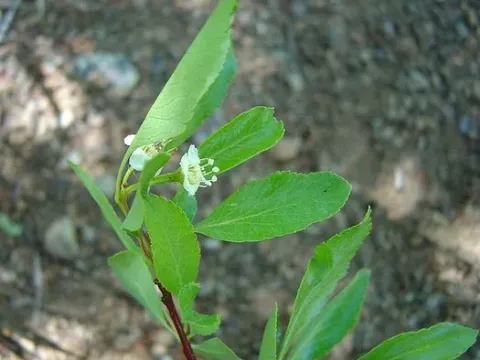
Willow-leaved hawthorn
Crataegus saligna
Willow-leaved hawthorn (Crataegus saligna) is a member of the Rosaceae family, recognized for its distinctive, narrow, willow-like leaves. This deciduous shrub or small tree is prized in both ornamental horticulture and as a unique specimen in botanical collections.
What the section contains
Willow-leaved hawthorn
Native to the mountain regions of Colorado, USA, this species has evolved to thrive in temperate climates. It is particularly valued for its hardiness and ability to tolerate diverse environmental stressors, making it a reliable choice for landscaping.
This crop requires full sun exposure to maintain its structural integrity and encourage dense foliage development. While it shows good drought tolerance once established, consistent moisture during the initial years of growth is crucial for its long-term development.
Soil requirements are relatively flexible, yet the plant performs optimally in well-drained, fertile loamy soils. It prefers a neutral to slightly alkaline environment and does not tolerate waterlogged conditions, which can lead to root system decay.
Standard agrotechnical practices involve yearly pruning in late winter or early spring to remove dead wood and encourage healthy branching. Due to its natural shape, it requires minimal training to maintain an attractive aesthetic form in garden settings.
Like many species within the Rosaceae family, Crataegus saligna is susceptible to fungal infections, primarily powdery mildew and leaf spot diseases. These are often triggered by high humidity levels and poor airflow within the plant's canopy.
Insect pests such as hawthorn aphids and spider mites are common threats that target tender young shoots and foliage. Persistent infestations can weaken the shrub, making it more vulnerable to secondary infections or winter damage.
Management strategies include the use of copper-based fungicides to prevent fungal outbreaks during the damp spring months. Ensuring proper plant spacing is an essential cultural practice to reduce the impact of these diseases through natural ventilation.
Integrated pest management (IPM) protocols suggest monitoring populations of predatory insects that naturally control aphid levels. Chemical intervention should be reserved for periods of high infestation to avoid harming beneficial pollinator populations.
Sanitary measures, such as the removal of infected branches and fallen leaves during the dormant season, are vital. By maintaining clean growing conditions, the overall health and vigor of the willow-leaved hawthorn are significantly improved.