
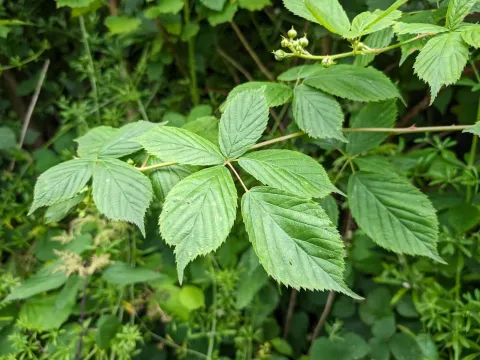
Rubus sulcatus
Rubus sulcatus
Rubus sulcatus is a perennial plant belonging to the Rosaceae family. It is a distinct species of blackberry characterized by its robust, often arching canes that exhibit notable longitudinal furrows, distinguishing it from other wild relatives.
What the section contains
Rubus sulcatus
Originating in Central and Western Europe, this species thrives in temperate climates. It is adapted to various habitats, including forest edges and shrublands, where it benefits from moderate humidity and protection from harsh environmental stressors.
For agricultural cultivation, the plant requires deep, fertile, well-draining soils with a slightly acidic to neutral pH. Proper soil structure is essential, as waterlogging in the root zone can lead to rapid decline and susceptibility to soil-borne pathogens.
Climatic requirements involve sufficient exposure to sunlight to maximize fruit production and improve berry quality. While the species is relatively cold-hardy, site selection should prioritize locations that are protected from freezing winter winds.
Standard cultivation practices include trellis training to manage the long canes and improve airflow within the canopy. Regular irrigation during fruit expansion and the application of balanced organic fertilizers are necessary to maintain high vigor and productivity.
The primary threats to Rubus sulcatus include fungal diseases such as leaf rust and anthracnose. These pathogens often thrive when there is insufficient space between plants, leading to stagnant, humid conditions that favor fungal spore germination.
Pest management is focused on controlling aphids, mites, and cane borers. These pests can significantly reduce plant vigor by feeding on the sap or boring into the vascular system of the canes, leading to wilting and reduced fruit yield.
Preventative cultural practices, such as annual thinning of canes, are essential to ensure adequate ventilation and light penetration. This simple management strategy significantly reduces the pressure from moisture-loving pathogens during the growing season.
Integrated pest management (IPM) should be applied, utilizing both mechanical removal of infested foliage and biological controls where appropriate. Keeping the orchard floor clean of debris prevents overwintering of pathogens near the root system.
Regular inspections throughout the vegetative cycle allow for early identification of emerging problems. Timely intervention ensures that individual affected plants do not become reservoirs for pests or diseases that could affect the entire crop.