
Penzance Rose
Rosa penzanceana
Description
Growing requirements
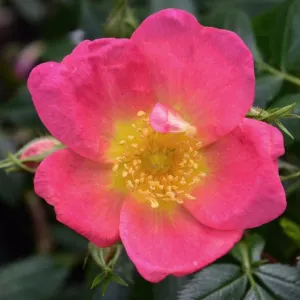
The Penzance Rose (Rosa penzanceana) is a group of hybrid roses created in the late 19th century by crossing Rosa rubiginosa with other varieties. Belonging to the Rosaceae family, this shrub is particularly notable for its foliage, which releases a distinct apple-like fragrance when wet.
This plant thrives in open, sunny locations with well-drained soil. It is highly valued for its hardiness and adaptability to various temperate climates, inherited from its wild briar ancestors, making it a reliable choice for long-term landscaping projects.
For optimal growth, the Penzance Rose requires fertile, loamy soil with a neutral to slightly acidic pH. Proper soil preparation before planting is essential to ensure that the root system has enough space to establish itself and access nutrients efficiently.
Agrotechnical care includes consistent fertilization throughout the growing season and thorough pruning in early spring. Removing old or dead wood encourages vigorous new growth and maintains the shrub's health and aesthetic appeal in the garden.
The primary use for this variety is in landscaping, particularly for creating robust, thorny hedges that offer both privacy and ornamental value. Its unique aromatic qualities add a sensory dimension to garden design, especially in damp or humid areas.
Main diseases and pests
The Penzance Rose is susceptible to common rose diseases, most notably powdery mildew and black spot, which can affect its overall vitality if left unchecked.
Insect pests often include aphids, which target new, tender growth, and spider mites that thrive in warm and dry conditions during the summer months.
To maintain plant health, it is important to ensure good airflow by properly spacing bushes and performing regular maintenance pruning to remove dense growth.
Fungicides and insecticidal soaps can be used to manage infestations; however, applying them in the early morning or evening helps protect beneficial insects like pollinators.
Sanitation practices, such as removing debris and infected fallen leaves, are critical steps in preventing the spread of diseases and reducing the need for chemical interventions.