
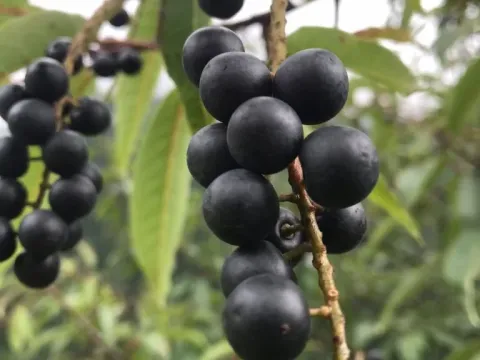
Himalayan bird cherry
Prunus cornuta
Prunus cornuta, commonly known as the Himalayan bird cherry, is a deciduous tree species within the Rosaceae family. Native to the high-altitude forests of the Himalayas, this tree is distinguished by its long, drooping racemes of white flowers that bloom in the spring.
What the section contains
Himalayan bird cherry
The species requires deep, fertile, and well-drained loamy soils to thrive in a garden setting. It is essential to avoid sites with heavy, waterlogged clay, as the root system of this mountain-adapted tree performs poorly in anaerobic soil conditions.
In terms of climate, Prunus cornuta prefers cool, temperate environments with high atmospheric humidity. It is considered quite hardy, but it is best positioned in locations protected from extreme, dry winds that can damage the delicate foliage during the peak of summer.
Cultivation practices should focus on maintaining adequate soil moisture, especially during the first few years after planting. Young trees benefit significantly from a layer of organic mulch, which helps to stabilize soil temperature and suppress competing weed growth.
Economically, the tree is highly valued for its ornamental contribution to landscapes and public parks. Beyond its aesthetic appeal, its rapid growth and deep root system make it a suitable candidate for slope stabilization and reforestation projects in appropriate eco-zones.
The tree is susceptible to several common diseases, including brown rot and bacterial leaf spot, which can become problematic in cool, wet seasons. Proper sanitation, including the removal of fallen leaves and dead wood, is the first line of defense against these pathogens.
Insect pests such as aphids and various defoliating larvae are the primary biological threats. Regular monitoring of the foliage and the application of horticultural oils or approved insecticides during the early growth stages can effectively minimize potential damage.