
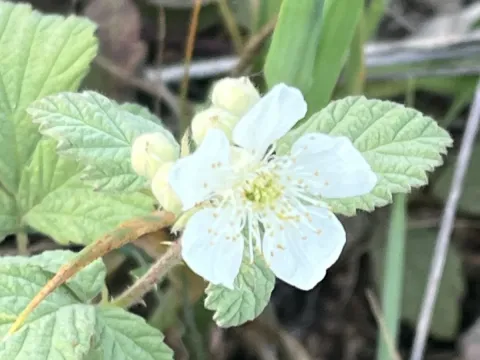
Rubus canescens
Rubus canescens
Rubus canescens, commonly known as the hoary bramble, is a perennial shrub belonging to the Rosaceae family. It is recognized by its dense, greyish-white pubescence on the stems and the undersides of the leaves. The plant develops long, arching, or prostrate canes that often root at the tips, allowing it to spread effectively across various terrains.
What the section contains
Rubus canescens
Originating from the Mediterranean, Central Europe, and the Caucasus, this species thrives in temperate climates. It requires well-drained, fertile soil and prefers sunny locations to ensure optimal photosynthesis and fruit development. While adaptable, it performs best in soils with slightly acidic to neutral pH levels.
Cultivation practices involve proper trellis management to keep the canes organized and off the ground, which improves airflow and harvesting efficiency. Regular pruning of two-year-old canes that have already produced fruit is essential to stimulate the growth of new, vigorous vegetative stems for the next season.
The plant demonstrates good drought tolerance once established, thanks to its deep root system, but consistent watering during the fruit-setting period significantly enhances berry size and quality. Mulching is highly recommended to regulate soil temperature and minimize weed competition in the plantation area.
Commercially, Rubus canescens is utilized for its nutritious berries, which are rich in anthocyanins and organic compounds. Beyond human consumption, the plant serves ecological purposes, such as soil stabilization on slopes and providing nectar for pollinators during the flowering stage.
The primary threats include fungal diseases such as rust and anthracnose, which are favored by high humidity and stagnant air. Maintaining proper row spacing and thinning out overly dense foliage are critical cultural practices to mitigate these risks and keep the plants healthy.
Insects like the raspberry beetle and aphids can cause direct damage to the fruit and developing foliage. Integrated pest management strategies, focusing on early detection and the use of organic deterrents, are effective in maintaining plant health without disrupting the local ecosystem.
Winter hardiness varies, and in regions with severe frosts, protecting the canes from cold winds is necessary to prevent bud damage. Carefully bending the canes towards the ground and covering them with protective materials can help ensure a productive yield the following spring.
Monitoring the soil for moisture content prevents root rot, which is a common issue in poorly drained environments. Ensuring that the site is well-drained before planting is the most effective preventative step for long-term health.
Sanitation is key to managing threats; removing and disposing of diseased plant materials immediately prevents the spread of pathogens throughout the patch. A disciplined approach to garden hygiene ensures higher longevity of the berry bushes.