
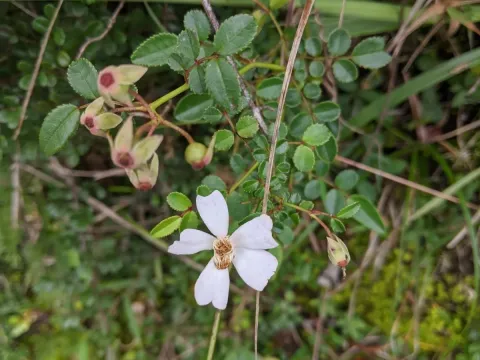
Price's Rose
Rosa pricei
Price's Rose (Rosa pricei) is a perennial shrub belonging to the Rosaceae family. This specific species is native to the mountainous regions of Taiwan, representing a specialized botanical lineage within the diverse genus Rosa.
What the section contains
Price's Rose
The plant exhibits typical botanical features of wild roses, including thorny, woody stems and pinnate leaves. It is highly valued by botanists and collectors for its unique adaptation to high-altitude environments and its distinct flowering cycle.
For successful cultivation, Rosa pricei requires a site that provides ample sunlight combined with protection from extreme temperature fluctuations. The soil must be well-draining and slightly acidic, mirroring the conditions of its natural highland habitat.
Agricultural management includes consistent watering during the dry season and moderate fertilization with organic matter. Proper pruning should be performed after the flowering period to maintain the structural integrity and health of the shrub.
Economically, this plant is primarily utilized in ornamental gardening and as a source for plant genetic research. Its rarity makes it a prized specimen for specialized collections aimed at preserving the biodiversity of wild roses.
The main threats to the health of Rosa pricei include fungal infections like powdery mildew, which can thrive in high-humidity environments with poor air circulation around the canopy.
Common insect pests include aphids and spider mites, which specifically target tender foliage. Integrated pest management, focusing on early detection and organic horticultural oil, is recommended for maintaining plant vigor.