
Prairie cinquefoil
Potentilla pensylvanica
Description
Growing requirements
Prairie cinquefoil (Potentilla pensylvanica) is a resilient perennial herb belonging to the Rosaceae family. It is recognized for its ability to thrive in challenging environments, making it a subject of interest for soil stabilization and ecological restoration projects.
Originating from North American prairies and meadows, this species is well-adapted to continental climates. Its natural range extends across open grasslands and rocky terrains, where it demonstrates remarkable tolerance to extreme cold and drought conditions.
The crop demands well-drained, nutrient-poor to moderate soils with excellent exposure to sunlight. Proper site selection is vital; waterlogged soils are detrimental to the root health of this plant, as they inhibit aeration and promote pathogenic activity.
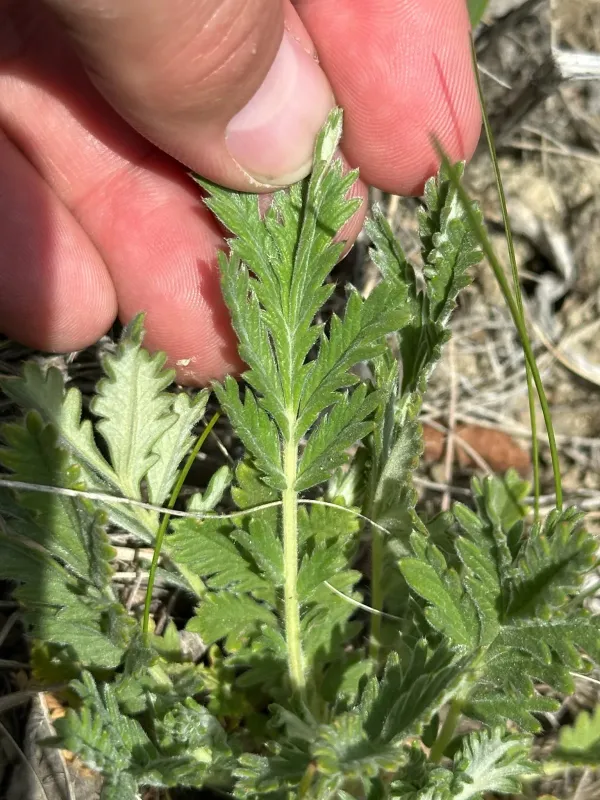
Botanically, the plant is distinguished by its pinnately divided leaves with dense pubescence, which serves as a protective mechanism against moisture loss. Its small, yellow flowers are arranged in terminal cymes, appearing during the summer months to support local pollinator populations.
Agrotechnical management focuses on soil preparation that allows for deep root penetration. Minimal fertilization is usually sufficient, as the plant is adapted to nutrient-deficient conditions, though phosphorus application during the establishment phase can improve overall plant vigor.
Main diseases and pests
The crop is occasionally susceptible to fungal diseases such as powdery mildew, especially in regions with high humidity. Ensuring adequate spacing between plants is essential to promote airflow and mitigate the risk of infection spreading through the foliage.
Insect pests, including aphids and various leaf-feeding larvae, may pose a threat during the primary growth stage. Integrated pest management, focusing on encouraging natural predators, is the most effective strategy for maintaining crop health without chemical interventions.