
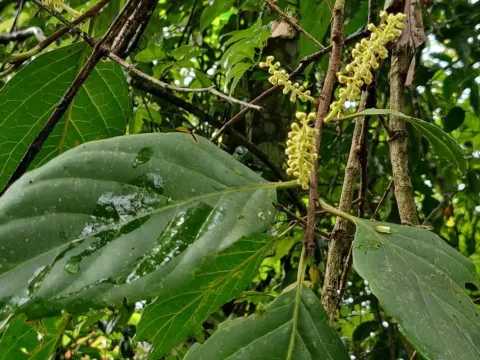
Prunus ceylanica
Prunus ceylanica
Prunus ceylanica belongs to the Rosaceae family and is an evergreen tree species native to tropical regions of Asia. It thrives in dense forest environments, showcasing the characteristic morphology of tropical broad-leaved vegetation.
What the section contains
Prunus ceylanica
The climate requirements for this species are strictly tropical, necessitating high temperatures and consistent humidity throughout the year. It is frost-intolerant, making it unsuitable for cultivation in temperate or subtropical zones without significant environmental control.
Regarding soil, the species performs best in deep, fertile, and well-drained soils. Loamy textures that provide moisture retention while preventing waterlogging are ideal for ensuring healthy root development and biomass accumulation.
Cultural practices should emphasize site selection with adequate sunlight exposure, although partial shade is tolerated during the initial establishment phase. Consistent spacing is vital to ensure proper airflow, which reduces the incidence of humidity-related pathogens.
The primary economic use of Prunus ceylanica is in the timber industry, where its wood is valued for its specific grain and physical properties. It also serves as a component in local reforestation efforts and maintains ecological balance in its native habitat.
Like many tropical Rosaceae, this species is susceptible to various fungal infections, particularly leaf spots and root rots, which often occur under conditions of poor drainage and extreme humidity.
Pest pressures primarily come from defoliating insects and wood-boring beetles common in tropical forests. Regular monitoring and maintaining tree vigor through appropriate silvicultural practices are the best defenses against these biological threats.