
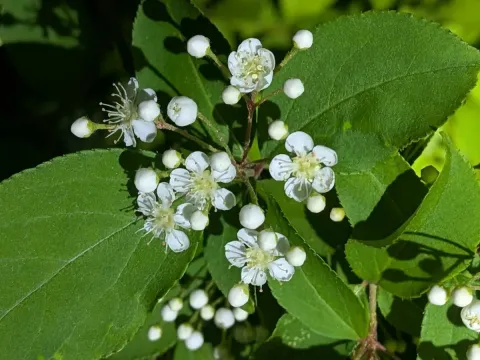
Pourthiaea
Pourthiaea
Seeds of Pourthiaea typically require a period of cold stratification to break dormancy. Sowing in late autumn allows the seeds to experience winter temperatures naturally before germinating in the following spring.
What the section contains


Pourthiaea
Propagation via semi-hardwood cuttings is highly effective when performed in late summer. Using a rooting hormone and maintaining high ambient humidity are essential steps for achieving successful root development.
When transplanting young plants into the field, ensure that the soil is prepared with organic matter to provide initial nutrients. Spring planting is preferred to give the plant time to establish before winter.
Proper spacing is vital for the health of Pourthiaea, as it requires good airflow around the canopy. Planting individual specimens at least two meters apart helps prevent the spread of foliar diseases.
Selection of the site should prioritize exposure to direct sunlight. While the plant can tolerate partial shade, it thrives best and produces more vigorous growth when fully exposed to the sun.
As a member of the Rosaceae family, Pourthiaea flourishes in deep, well-drained, and fertile soils. It is crucial to avoid heavy clay soils that retain excessive water, as this can lead to root suffocation.
The climate requirements of this shrub are well-suited to temperate regions. It displays good cold hardiness but benefits from mulching around the base in the first few years after planting.
Regular irrigation is necessary during the establishment phase and during summer drought. However, the soil surface should be allowed to dry slightly between watering cycles to maintain root health.
Maintenance involves seasonal pruning to ensure a well-balanced structure. Removing dead or crossing branches promotes better light penetration into the center of the bush.
A balanced fertilization program applied in early spring supports healthy foliage and flowering. Over-fertilization with nitrogen should be avoided to prevent weak, leggy growth that is susceptible to winter damage.
Powdery mildew is a common fungal threat to Pourthiaea, especially in humid conditions with poor ventilation. Implementing a systematic pruning regimen helps manage this issue significantly.
Aphids and scale insects represent the most frequent pest threats. Monitoring the undersides of leaves and new growth allows for timely intervention using organic or chemical insecticidal sprays.
Bacterial blight can impact the plant's structural integrity. Any wood showing signs of dark, sunken lesions must be removed immediately using sterilized pruning equipment to prevent systemic infection.
Root diseases are typically associated with poor drainage conditions. Ensuring that the planting site has adequate slope or a subsurface drainage system is a primary preventative measure.
- Regular inspection of the canopy for early signs of disease.
- Cleaning and disinfecting shears between different plants.
- Removing fallen debris from the base to reduce fungal spore load.