
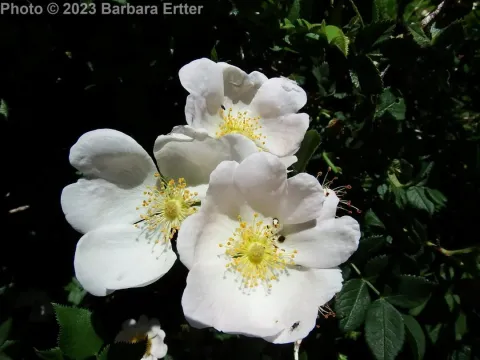
Blunt-leaved rose
Rosa obtusifolia
The blunt-leaved rose (Rosa obtusifolia) is a perennial shrub belonging to the Rosaceae family. Native to Europe and parts of the Caucasus, it is recognized for its hardiness and versatility in varying temperate climates, often found in hedgerows and forest edges.
What the section contains
Blunt-leaved rose
The cultivation of this species requires well-drained soils, ideally with a neutral to alkaline pH. It thrives in locations with full sunlight but exhibits enough tolerance to handle partial shade, making it a robust choice for environmental landscaping or restoration.
Botanically, the plant is characterized by its dull or obtuse-shaped leaflets, which distinguish it from other wild roses. It produces a woody, thorny structure that can reach significant heights, providing excellent structural integrity for breeding purposes.
In agricultural and horticultural sectors, Rosa obtusifolia is primarily valued as a high-quality rootstock for commercial rose varieties. Its vigorous root system ensures strong nutrient uptake and high success rates for graft unions in nursery settings.
Maintenance involves periodic pruning to manage size and ensure the health of the primary stems. When established, it is remarkably drought-tolerant, although consistent moisture during the first year of planting significantly improves survival rates.
Powdery mildew represents the most frequent fungal challenge for Rosa obtusifolia, particularly in seasons with high humidity and poor air circulation. Effective management includes thinning out dense branches to improve airflow within the shrub.
Aphids represent a common pest threat during the early growth stages. These insects feed on the succulent tips of young shoots, causing stunted growth and leaf distortion, which necessitates early intervention with systemic insecticides.
Rust diseases, characterized by orange pustules on the undersides of leaves, can occur if moisture levels are not managed correctly. Using resistant cultivars and maintaining strict hygiene by removing fallen leaves helps reduce pathogen buildup.
Spider mites can become problematic during hot, dry spells, leading to speckled foliage and premature leaf drop. Regular inspection and the use of targeted acaricides are recommended to maintain the aesthetic and functional health of the plants.
Root system pests, such as larvae of various beetles, may require soil drenching treatments in nursery environments. Protecting the roots is essential, as the species is cultivated primarily for its rootstock potential in rose production.