
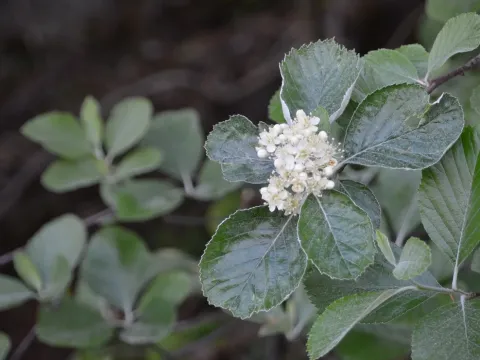
Blunt-leaved mountain ash
Sorbus obtusifolia
Blunt-leaved mountain ash is a representative of the Rosaceae family. This tree species is valued for its specific botanical characteristics and ability to adapt to diverse temperate environments.
What the section contains
Blunt-leaved mountain ash
The plant requires well-drained soil rich in organic matter. It performs best in slightly acidic or neutral conditions where soil moisture is consistent throughout the growing season.
For optimal health, the tree should be placed in an area with full sun to partial shade. Adequate lighting is crucial for both the development of the fruit and the overall vigor of the tree.
The species is known for its high level of hardiness, successfully surviving cold winters without requiring additional frost protection once the tree is established.
Agronomic practices include routine mulching to maintain soil moisture, as well as periodic pruning to ensure proper airflow and light penetration throughout the foliage.
Like many members of the Rosaceae family, this species is susceptible to fungal issues such as scab and powdery mildew, which flourish in warm, humid weather conditions.
The most common insect threats include the rowan moth and aphids. These pests attack the buds and leaves, often leading to reduced growth rates if left unmanaged.
Preventative measures should focus on maintaining tree vigor through proper fertilization and watering, which significantly improves the tree's natural defense mechanisms.
In cases of severe infestation, targeted insecticide applications are recommended to protect the tree canopy and ensure the healthy development of seasonal fruit crops.
Sanitation practices, such as removing fallen leaves and pruning diseased wood, play a vital role in preventing the overwintering of pests and fungal spores in the garden environment.