
Blunt-leaved lady's mantle
Alchemilla obtusa
Description
Growing requirements
Blunt-leaved lady's mantle (Alchemilla obtusa) is a herbaceous perennial plant belonging to the Rosaceae family. Native to mountainous European regions, this species is well-adapted to cooler climates and high-altitude conditions, making it a robust choice for specialty crop farming.
The plant thrives in well-drained, nutrient-rich soils that retain moisture consistently. While it prefers full sun in cooler northern regions, it benefits from partial shade in warmer areas to prevent the wilting of its delicate foliage during the peak of summer heat.
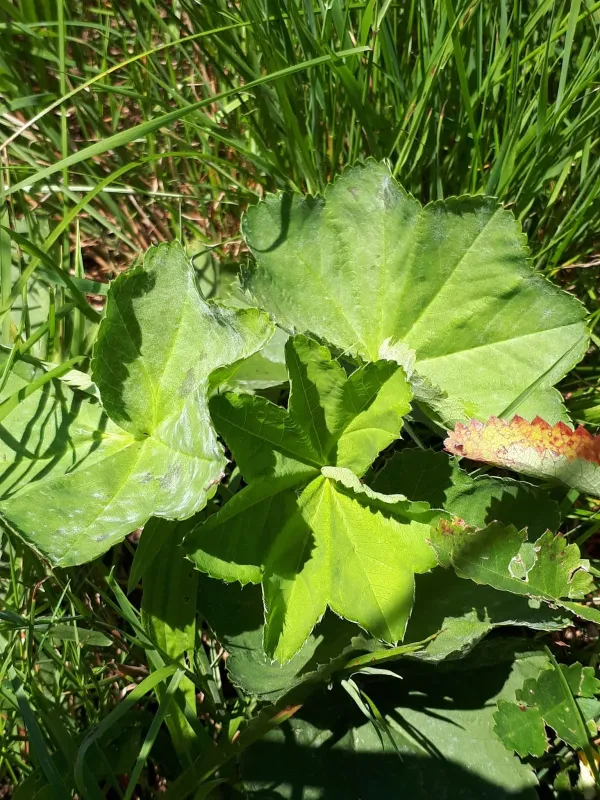
Botanical characteristics include a basal rosette of rounded, slightly lobed leaves featuring a characteristic blunt edge. During the flowering season, the plant produces subtle, yellowish-green clusters that add to its visual appeal and functional value as a medicinal herb.
Commercially, the crop is valued for its pharmacological potential. It contains a high concentration of tannins and bioactive compounds that are extracted for use in medicine and cosmetic products, driving the demand for cultivated, high-quality botanical material.
Agrotechnical management is relatively straightforward. Propagation is performed via root division or seeds, with the latter requiring stratification. Regular weeding and maintaining adequate soil moisture are essential for optimal biomass production throughout the growing season.
Main diseases and pests
The primary threats to Alchemilla obtusa are related to excessive moisture management. Waterlogging frequently leads to crown rot and other fungal pathogens that can rapidly compromise a healthy plantation if not addressed through effective drainage.
Insect pests such as spider mites and leaf-feeding beetles are common in regions with prolonged drought periods. Integrated pest management (IPM) strategies, including biological controls, are highly recommended to protect the integrity of the harvestable leaves.
Fungal diseases like leaf spot may occur when plants are grown too closely together. Ensuring adequate air circulation between rows and proper spacing helps reduce the risk of infection and maintains plant vigor throughout the vegetation cycle.
When cultivating for the medicinal market, the use of harsh synthetic chemicals should be strictly avoided. Instead, focus on soil health, crop rotation, and preventive sanitary measures to keep the plants free from common pathogens.
Effective season-end maintenance, including the removal of dead foliage, is crucial. This practice reduces the overwintering capacity of pests and pathogens, ensuring a cleaner and more productive environment for the following year's growth.