
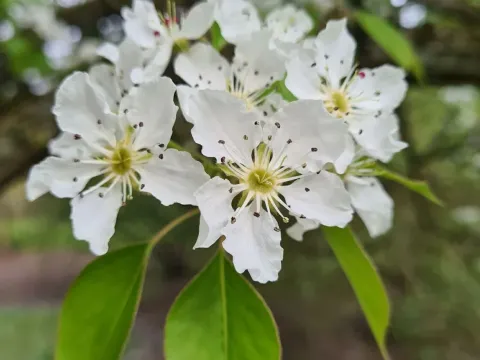
Korshinsky Pear
Pyrus korshinskyi
The Korshinsky pear (Pyrus korshinskyi) is a rare species of woody plant belonging to the Rosaceae family. In its natural habitat, this tree reaches a height of 10–12 meters and possesses a robust root system, allowing it to survive in challenging environmental conditions.
What the section contains
Korshinsky Pear
This species is endemic to the mountain ranges of Central Asia, specifically found in the mountainous regions of Tajikistan and Uzbekistan. The plant prefers mountain slopes with moderate moisture and often grows within juniper and nut-fruit forests, adapting well to high-altitude environments.
This crop is extremely undemanding regarding soil composition and is capable of growing on stony, dry substrates and poor mountain soils. It demonstrates high tolerance to drastic daily temperature fluctuations, making it a valuable genetic resource for breeding frost-resistant and drought-tolerant varieties.
Biologically, the plant is characterized by high photosynthesis intensity and the ability to effectively utilize limited water resources. The leaves have a typical elliptical shape, while the fruits are known for their dense flesh and the presence of stone cells, common in wild pear species.
The economic value of the Korshinsky pear lies primarily in its use as a rootstock for commercial pear cultivars. Due to its high compatibility and vigor, it ensures the longevity and stress resistance of grafted seedlings in industrial horticulture.
Like most wild species of the Pyrus genus, the Korshinsky pear possesses strong natural immunity; however, under conditions of high humidity, it can suffer from fungal infections. The primary threat is pear scab, which manifests as dark spots on the fruits and leaves.
The plant is susceptible to attacks by regional pests, such as pear psyllids and leaf rollers, which can damage new shoots. In its natural habitat, populations may also suffer from fire blight if the agrotechnical balance of nearby orchards is disturbed.
To preserve the species and combat threats in nurseries, preventive treatments with systemic fungicides are applied. It is essential to avoid waterlogging in the root zone, as this promotes root rot and reduces the overall resistance of the tree to pathogens.
Adherence to sanitary standards and the removal of damaged branches, which can serve as a source of infection, play a crucial role in protection. The ecological resilience of the species allows it to successfully recover from insect attacks without significant human intervention.
Pest monitoring in natural growing areas shows that the most dangerous periods are the spring months, when active sap flow and bud break occur, attracting various phytophagous insects.