
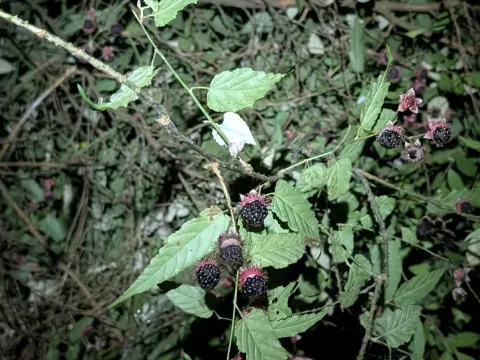
Hupeh raspberry
Rubus hupehensis
Hupeh raspberry (Rubus hupehensis) is a perennial shrub belonging to the Rosaceae family. It is a distinctive member of the Rubus genus, sharing common evolutionary traits with raspberries and blackberries while maintaining unique adaptations specific to its native high-altitude environment.
What the section contains
Hupeh raspberry
This species is native to the Hubei province in China. Its natural habitat includes forested slopes and mountain meadows where the microclimate provides consistent moisture and protection from harsh weather conditions throughout the majority of the growing season.
Cultivation requires well-draining soil rich in organic matter. A slightly acidic to neutral soil profile is ideal for root development. The species thrives in areas where moisture levels are stable, as it lacks the drought tolerance found in some more common commercial bramble varieties.
Climatic requirements focus on avoiding extreme thermal fluctuations. Rubus hupehensis prefers temperate conditions, benefiting from afternoon shade in hotter climates to prevent leaf scorching and excessive transpiration, which can weaken the shrub during the mid-summer peak.
Successful management involves systematic pruning to remove old canes and encourage the growth of vigorous new shoots. Applying a thick layer of organic mulch helps maintain soil moisture, suppresses weeds, and provides a gradual supply of essential nutrients to the shallow root system.
The primary health threats for this species include common fungal issues like leaf spot, rust, and anthracnose. These pathogens typically emerge in conditions of high humidity, poor aeration, and persistent dampness on the foliage after rainfall.
Insect pests such as spider mites and aphids are frequently observed on this species, particularly when plants are grown in suboptimal conditions. These pests thrive in dry and warm microclimates, potentially causing significant defoliation if left unchecked.
Integrated Pest Management (IPM) is essential for maintaining the health of the plants. This includes physical removal of infested foliage, ensuring adequate spacing for airflow, and using targeted biological control methods when pest populations reach economic injury levels.
Sanitation is a critical practice for disease control. Removing and destroying infected plant debris reduces the overwintering inoculum of fungi, which is vital for preventing the re-emergence of diseases during the next growing season.
Vigilant monitoring for early symptoms of crown rot is advised, as this condition can be fatal. Ensuring that the crown is not buried too deep during planting and that the site has excellent drainage is the most effective preventative measure against root-related pathologies.