
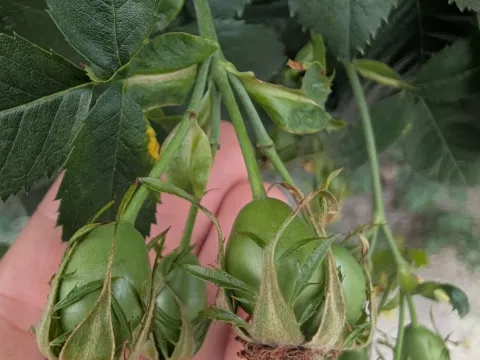
Dog rose
Rosa dumetorum
The shrub rose, scientifically known as Rosa dumetorum, is a member of the Rosaceae family. It is naturally distributed across Europe and parts of Western Asia, typically found in hedgerows, scrublands, and forest edges, showcasing a highly resilient growth habit.
What the section contains
Dog rose
In terms of soil requirements, this species thrives in well-drained loamy or sandy substrates. It exhibits a remarkable tolerance to varying pH levels, although neutral soils are preferred for optimal nutrient uptake and general vegetative vigor throughout the growing season.
Climate adaptation is a key strength of Rosa dumetorum, which displays strong cold-hardiness and endurance against high summer temperatures. Its drought-resistant properties stem from a deep-reaching root system that can effectively tap into subsurface moisture reserves.
Agronomic management involves periodic pruning to maintain structural integrity and remove deadwood. This practice ensures that the shrub remains productive, especially when the plant is managed for use in commercial propagation of nursery stock.
Economically, the species is highly valued as a hardy rootstock for budding ornamental rose varieties. Its compatibility with many commercial cultivars makes it a staple in professional horticulture, offering superior vigor and environmental adaptability to the grafted plant.
Common botanical threats include fungal diseases such as powdery mildew and black spot, which can spread rapidly in high-humidity conditions. Maintaining good air circulation within the shrub's canopy is the primary preventive measure against these pathogens.
Insect pests, specifically aphids and spider mites, are frequent visitors that can impact foliage development. Growers often implement integrated pest management strategies to keep populations below economic injury levels without compromising the local biodiversity.