
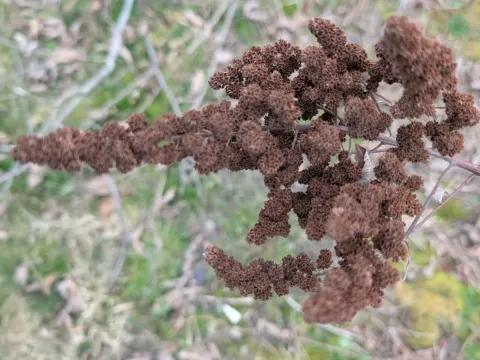
Douglas spirea
Spiraea douglasii
Propagation of Douglas spirea is primarily achieved through vegetative methods to ensure the preservation of species characteristics. Softwood cuttings taken in mid-summer are the most effective way to produce new, vigorous plants.
What the section contains
Douglas spirea
Cuttings should be placed in a well-draining medium consisting of peat and perlite or coarse sand. Maintaining high humidity around the cuttings until roots develop is essential for high success rates.
Division of mature root systems is another reliable method, best performed during the plant's dormancy phase in early spring or late autumn. This technique helps in rejuvenating older, overcrowded shrubs.
Layering is also quite successful with this species, as its stems naturally root when they come into contact with moist soil. Pinning a lower branch to the ground usually results in a well-rooted clone within a single season.
Transplanting container-grown specimens can be done throughout the growing season, provided that adequate irrigation is maintained. Ensure the planting hole is twice the width of the root ball for optimal establishment.
Spiraea douglasii, a member of the Rosaceae family, is a deciduous shrub native to North America. It is prized for its hardy nature, adaptability to wetland margins, and its iconic pink flower spikes.
The plant thrives in moist, fertile soils but shows surprising tolerance to various soil types, provided there is reasonable drainage. It performs exceptionally well in sunny locations but can tolerate partial shade.
Consistent moisture is key to the plant's health, particularly during the hot summer months. While it has some drought tolerance once established, deep watering during dry spells will keep the foliage lush.
Pruning is a fundamental part of Douglas spirea maintenance. Cutting the plant back after flowering encourages the growth of strong, new stems, which are necessary for the following year's bloom cycle.
Fertilization with a balanced, slow-release fertilizer in early spring promotes vigorous growth. The shrub is generally resistant to cold winters, making it a reliable choice for temperate landscape designs.
Aphids are the most common pests, often clustering on the tender new growth of the shoots. Their feeding can cause foliage to curl and stunt the overall development of the affected branches.
Spider mites can become an issue during prolonged hot and dry weather. These microscopic pests feed on the underside of the leaves, resulting in stippling and eventual leaf drop if left untreated.
Regular monitoring and the use of horticultural oils or insecticidal soaps are highly effective for managing minor infestations. Severe outbreaks may require the application of systemic insecticides.
Leaf spot diseases can occur if the shrub is planted in areas with poor airflow and high humidity. Thinning out the center of the shrub improves ventilation and reduces the likelihood of fungal infections.
Sanitation practices, such as removing fallen leaves at the end of the season, are crucial for disease prevention. Keeping the base of the plant free of debris helps stop the overwintering of pathogens.