
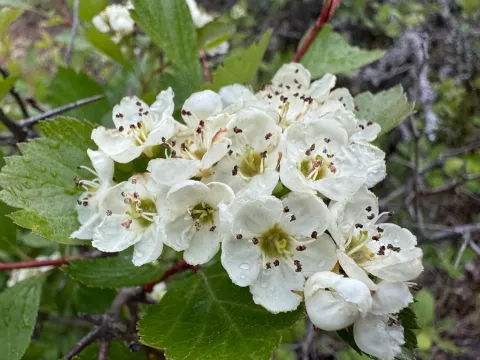
Douglas hawthorn
Crataegus douglasii
Douglas hawthorn (Crataegus douglasii) is a deciduous shrub or small tree belonging to the Rosaceae family. Native to western North America, this species is known for its hardiness and adaptability to various environmental conditions.
What the section contains
Douglas hawthorn
The plant thrives in regions with moderate climate and prefers deep, moist, well-drained soils. While it can tolerate a variety of soil textures, organic-rich loamy soils are ideal for achieving maximum vegetative growth and fruit production.
Full sunlight is a critical requirement for Douglas hawthorn. Exposure to direct sun ensures a compact, healthy canopy and stimulates the development of productive fruit spurs throughout the shrub's structure.
Agronomic management involves periodic pruning to maintain an open structure. This practice is essential for light penetration and air circulation, which significantly reduces the risk of moisture-related fungal infections.
The fruit of the Douglas hawthorn is a dark, small pome, harvested for its culinary and medicinal value. It serves as a valuable resource in agroforestry and can be integrated into sustainable garden designs or larger fruit orchard systems.
The primary threats to Douglas hawthorn include fungal diseases like powdery mildew, which can significantly damage leaf surface area if left unmanaged during humid growing seasons.
Rust infections represent another significant challenge for producers. Managing host plants and ensuring proper spacing between shrubs helps to disrupt the life cycle of these pathogens effectively.
Pest pressure is often linked to aphid infestations that target the tender growth of new shoots. Early detection and the introduction of natural predators are standard biological control measures used in professional settings.
Fire blight is a serious bacterial disease that can affect the structural integrity of the hawthorn. Prompt pruning and sanitation of infected tissues are mandatory to prevent systemic damage to the entire plant.
Maintaining high soil fertility and optimal watering levels helps the plant naturally resist common threats, reducing the need for intensive chemical applications in a healthy, well-managed orchard.