
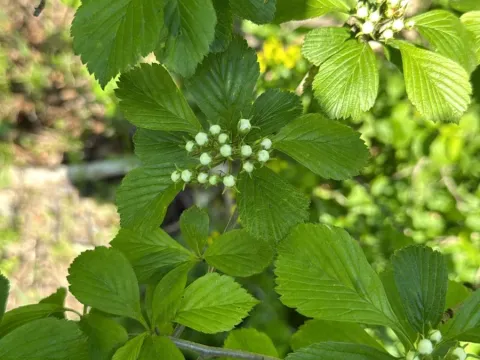
Dotted hawthorn
Crataegus punctata
The propagation of Crataegus punctata is primarily achieved through seeds or grafting onto compatible rootstocks. Seeds exhibit deep dormancy, requiring a period of cold stratification for 6 to 12 months to break the embryo's resting phase.
What the section contains
Dotted hawthorn
Sowing in autumn is the preferred method for outdoor conditions, allowing the seeds to undergo natural stratification during the winter months. Germination can be slow, sometimes taking more than one season for the seedlings to emerge.
Planting nursery-grown specimens is best performed in early spring or late autumn when the tree is dormant. Proper spacing, ranging from 3 to 5 meters depending on the intended growth form, is necessary to prevent overcrowding as the tree matures.
For ornamental or fruit-production purposes, grafting is often used to ensure genetic consistency. This method significantly reduces the time required for the plant to begin its productive fruiting cycle.
Ensuring that the root ball is kept moist during the first year of establishment is crucial. Once established, the root system of the dotted hawthorn is robust and capable of exploring deeper soil layers for nutrients and moisture.
The dotted hawthorn is a deciduous tree or shrub belonging to the Rosaceae family, native to North America. It is highly valued for its extreme winter hardiness and its ability to thrive in a variety of challenging temperate climates.
It prefers deep, fertile, and well-drained soils, although it is adaptable to various soil types, including heavy clays. Good drainage is essential, as the plant does not tolerate waterlogged conditions for extended periods.
Sunlight is a key requirement for optimal growth. Exposure to full sun encourages the development of a dense crown and promotes a higher yield of fruits, while also keeping the foliage dry to prevent fungal infections.
The species is moderately drought-tolerant once mature; however, regular watering during the first few growing seasons will result in a healthier and more vigorous tree. It does not require high levels of fertilization if the soil is reasonably fertile.
Routine pruning should be performed in late winter to maintain the tree's structure and ensure good airflow. Removing dead or crossing branches helps prevent the buildup of humidity within the canopy, which is essential for disease prevention.
The fruits of the dotted hawthorn are small, pome-like berries, often speckled with small dots, which distinguishes them from other Crataegus species. They ripen in late autumn, turning shades of red or yellow.
A well-maintained tree can provide a bountiful harvest, which is highly appreciated in culinary applications. The flesh is firm and can be processed into jellies, jams, and traditional medicinal syrups for cardiovascular health.
Harvesting should occur when the fruits are fully ripe to ensure the best flavor profile. Because the berries persist well into winter, they serve as a critical food source for wildlife and local bird populations.
In addition to its culinary uses, the dotted hawthorn is an excellent ornamental choice. Its long-lasting fruits and attractive autumn foliage add significant visual interest to gardens and park landscapes throughout the season.
Efficient management of the tree during the fruiting season involves monitoring for early fruit drop, which can indicate environmental stress or the need for better irrigation during the summer months.
Dotted hawthorn is susceptible to common Rosaceae diseases, including fire blight, which can be particularly damaging. Monitoring for early symptoms such as scorched-looking leaves or wilting branches is vital for early intervention.
Powdery mildew and leaf spots may occur during periods of high humidity or poor air circulation. Proper pruning and the removal of fallen leaves in autumn significantly reduce the population of fungal spores that overwinter.
Pests like aphids and hawthorn rust mites can infest the foliage, leading to stunted growth. Using natural predators or mild horticultural soaps during the early stages of infestation can help manage these populations effectively.
Borers can sometimes attack the trunks of stressed trees. Maintaining tree vigor through proper hydration and avoiding mechanical damage to the bark are the best preventative measures against wood-boring insects.
Integrated pest management, including regular inspections and the use of resistant varieties, forms the backbone of a successful strategy for maintaining a healthy and productive dotted hawthorn planting.