
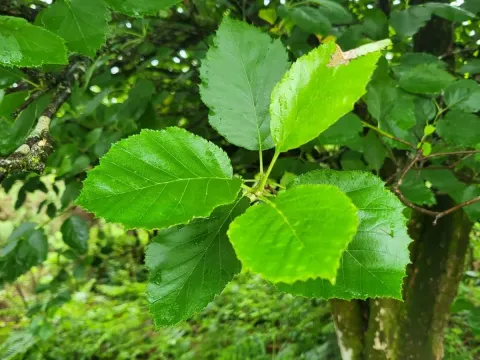
Devon Whitebeam
Sorbus devoniensis
The Devon Whitebeam (Sorbus devoniensis) is a distinctive species of tree within the Rosaceae family. It is recognized as a natural hybrid, possessing unique botanical characteristics that distinguish it from the common rowan or other whitebeam species.
What the section contains
Devon Whitebeam
Originating from the southwestern regions of England, particularly Devon, this tree is well-adapted to temperate maritime climates. It thrives in regions with mild winters and consistent moisture levels, reflecting its natural forest edge habitat.
For successful cultivation, the tree requires fertile, well-draining loamy soils. It does not tolerate waterlogged conditions, making the selection of a site with proper drainage a critical step in the planting process to ensure healthy root development.
The Devon Whitebeam prefers full sun or light shade to exhibit its best growth form. It is considered a hardy species, capable of withstanding moderate wind exposure, which makes it a versatile choice for planting in open gardens or as part of a shelterbelt.
Cultural practices should include regular watering during the initial establishment phase and the application of organic mulch around the base to retain soil moisture. This helps the young tree establish a strong root system and promotes vigorous branch development.
The fruit of the Devon Whitebeam is primarily utilized for culinary purposes. The berries possess a subtle tartness and excellent gelling properties, making them highly valued for the production of traditional jams, jellies, and preserves that are common in regional English cookery.
Beyond its fruiting capacity, the tree is prized in ornamental horticulture for its unique foliage and overall structure. The leaves have a distinctive shape, and the tree provides significant aesthetic value when planted as a specimen tree in parks or large private landscapes.
The timber of this species is known for its density and durability. Historically, it was favored by craftsmen for creating small turned objects and tool handles, where a sturdy, wear-resistant material was required for long-term daily use.
Yields typically become consistent as the tree reaches maturity. The fruit ripens in late autumn, often turning a golden-brown or yellowish hue, which adds a decorative seasonal interest to the tree before the leaves fall for the winter.
Harvesting is best carried out after the first light frosts, as these temperatures naturally help to reduce tannin levels in the fruit, improving the flavor profile and making the berries significantly more palatable for processing into food products.
Common fungal diseases, such as leaf rust and scab, pose the most frequent threats to the Devon Whitebeam. Maintaining a good canopy structure through pruning is essential to improve airflow and reduce the humidity levels that favor fungal growth.
Pests like aphids may target young, succulent shoots during the spring growth flush. Integrated pest management strategies, such as encouraging natural predators like ladybirds, are effective in controlling aphid populations without reliance on broad-spectrum insecticides.
Root rot is a major risk if the soil remains excessively wet. Ensuring that planting pits are well-drained and avoiding deep-planted root collars are essential cultural practices to prevent the decline and eventual death of the tree due to pathogen infection.
Mechanical damage to the trunk must be minimized, as wounds provide entry points for various bacterial and fungal pathogens. Regular inspections of the bark and the use of proper pruning techniques can help prevent long-term damage.
Protection against small mammals and rodents during the winter months is a necessary precaution. Wrapping the base of the trunk can prevent girdling, which is a common cause of tree mortality in young specimens during cold seasons.