
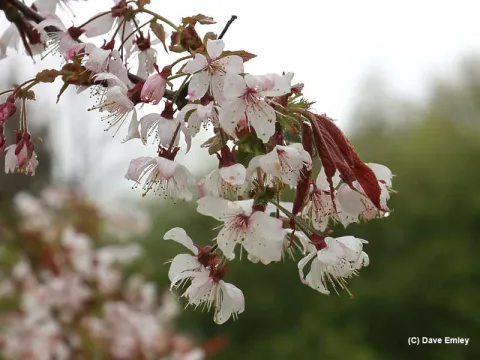
Diels plum
Prunus dielsiana
Diels plum, known botanically as Prunus dielsiana, is a deciduous tree belonging to the Rosaceae family. Native to China, this species typically inhabits forested regions and mountain valleys, adapting to environments with moderate moisture levels and stable temperature patterns.
What the section contains
Diels plum
The tree thrives in fertile, well-drained soil types, ideally with a neutral or slightly acidic pH balance. Proper soil preparation is essential to prevent waterlogging, which the root system of this species is particularly sensitive to, especially during the early stages of establishment.
Regarding climate, Prunus dielsiana requires a clear seasonal cycle with a cold period for dormancy. It prefers sheltered locations that provide protection from strong winds and late spring frosts, which can damage the delicate blossoms and reduce the potential yield of the tree.
Agronomic management involves periodic fertilization with balanced NPK formulas to support branch development and foliage density. Organic amendments, such as compost or well-rotted manure, applied to the root zone, help improve soil structure and moisture retention during the drier summer months.
Training and pruning are necessary to maintain a balanced, open crown structure. By removing crossing, diseased, or dead branches, growers can significantly improve light penetration and air circulation throughout the canopy, which is vital for long-term tree health and productivity.
The Diels plum is susceptible to typical Rosaceae diseases, with brown rot and shot-hole disease being the most common. Maintaining a preventative spray schedule with copper-based or systemic fungicides during early spring is highly recommended to protect against these pathogens.
Insect pests such as plum curculio and various aphid species pose a significant threat to the fruit set and leaf health. Integrated Pest Management (IPM) practices, including the use of pheromone traps and horticultural oils, are effective for controlling populations without disrupting beneficial insects.
Bacterial blight can affect twigs and branches, especially in humid conditions. Any infected wood should be pruned back to healthy tissue immediately, and pruning tools must be sanitized to prevent the spread of the bacteria to other parts of the orchard or individual trees.
Monitoring for signs of root rot caused by poor soil drainage is crucial. If the foliage appears chlorotic or the tree shows signs of wilting despite adequate watering, soil moisture levels should be checked, and drainage should be addressed to prevent terminal damage to the roots.
Protection against vertebrate pests is also an important aspect of care. Wire mesh guards around the base of the trunk effectively prevent damage from rabbits or rodents, ensuring that the vascular system of the tree remains intact and healthy throughout the year.