
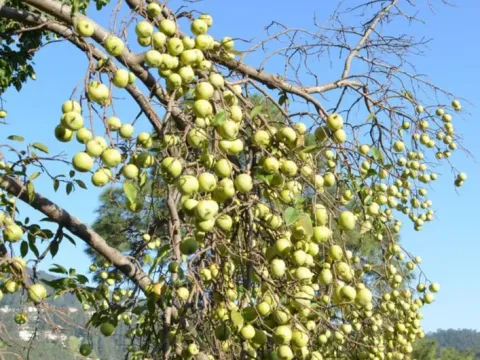
Docynia
Docynia
Docynia is a genus of trees in the Rosaceae family, closely related to apples and quinces. These evergreen or semi-deciduous trees possess a structure typical of subtropical flora, featuring a robust root system and a spreading crown that requires careful management in orchard settings.
What the section contains


Docynia
The native distribution area covers the mountainous regions of Southeast Asia, including the Himalayas, Southern China, and Vietnam. The plant thrives in cool, humid subtropical climates where extreme temperature fluctuations are minimal and annual rainfall is consistently high to support vegetative growth.
For successful cultivation, Docynia requires well-drained, fertile soils with a pH ranging from neutral to slightly acidic. The plant is highly sensitive to waterlogging, making the selection of elevated planting sites or slopes with light soil texture essential to prevent root diseases and ensure proper oxygenation.
Agricultural management of Docynia involves monitoring light exposure, as young trees prefer partial shade while mature specimens become increasingly heliophilic. Regular pruning is necessary to maintain crown architecture, improve airflow, and remove dead or diseased branches to keep the tree productive.
Economically, the plant is valued for its fruits, which resemble apples or pears in appearance. These fruits are processed into preserves, jellies, and dried snacks, or utilized as a genetic resource for breeding programs aimed at improving resistance and fruit quality in related pome fruit species.
The crop is susceptible to common diseases of the Rosaceae family, including apple scab and fire blight, especially in high-humidity environments with poor ventilation. Preventive strategies involve regular fungicide applications and maintaining strict sanitary standards within the orchard to minimize fungal outbreaks.
Key insect pests include those attacking young fruits and ovaries, such as codding moths and various species of psyllids. Intensive cultivation requires a structured protection program utilizing biological or systemic insecticides to manage pest populations without compromising the quality of the harvested produce.
Protection against fungal wood infections is a critical component of orchard health, as pathogens often enter through mechanical bark injuries. Ensuring optimal tree health through precise irrigation and balanced fertilization significantly boosts natural resistance against various damaging organisms.
Aphid populations must be strictly monitored, as they can serve as vectors for viral diseases that lead to leaf deformation and substantial yield losses. Early detection in the spring and summer allows for effective localized treatment before pests reach damaging infestation levels.
Mitigating soil-borne threats like nematodes necessitates following strict rotation protocols in nurseries and using certified, disease-free planting material. A well-executed agricultural plan reduces the need for heavy chemical intervention and promotes the production of high-quality, sustainable crops.